СТАТУС ИГРЫ
A
Да, стоит играть
Серьёзных проблем нет, минусы описаны ниже
Почему оценка A: отзывы хорошие, но до S не хватает почти единодушной похвалы
Данные SteamОбновлено 2 часа назад
Серьёзных проблем нет, минусы описаны ниже
Почему оценка A: отзывы хорошие, но до S не хватает почти единодушной похвалы
Нет игроков онлайн в Steam - это не определяет готовность одиночного режима · последнее известное значение, ещё не обновлено
731 день назад
100% положительных
Русского нет · всего 3 языка
434 руб.
Сравним с вашим ПК и прикинем FPS
Подробных отзывов на русском мало - добавлены отзывы на других языках.
This game is a visual novel with a japanime-style scenario, mixed with an adventure game, and a bit of fruit ninja combat. All 3 gameplays are weak by themselves, but combined they create this experience, unique and whimsical. There are several story choices with branching outcomes, if you're into that thing. It does have some flaws inherent to the VN genre, mainly a lot of pointless lines to skim through, there's also a problem linked to the fact it can only save in some spots, and sometimes you are stuck in long sequences where you can't really leave the game because you can't save. The game itself is quite long (took me over 15 hours) but it has different episodes that are varied enough to refresh the amtosphere. The graphics makes great usage of assets and decors generated in Stable Diffusion, but they're used well enough that it's not a problem, and the animations are sometimes somptuous. (follow my curator page GenXPlayers for more retro and indie reviews)
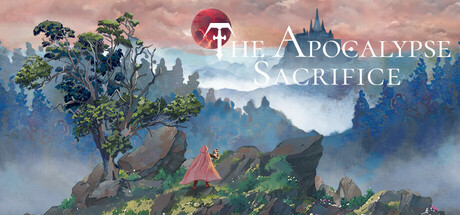
The Apocalypse Sacrifice, developed by FOG GAMES and published by INDIECN, is an ambitious narrative-driven adventure that combines the atmosphere of classic role-playing games with the moral weight of modern storytelling. It unfolds in a world teetering between salvation and ruin, where every choice you make carries tangible consequences. At its core, the game is about confronting your own morality—deciding whether you will become a savior who redeems a dying world or a catalyst who pushes it further toward destruction. Built on a foundation of psychological tension, branching storylines, and retro-inspired aesthetics, it delivers a haunting experience that lingers long after the credits roll. It is a tale not just of apocalypse, but of the human soul laid bare in its final hours. The game begins in mysterious fashion, with your character awakening in a strange town, disoriented and holding only a cryptic note that hints at a terrible truth hidden within the world. This opening immediately establishes the game’s sense of unease and curiosity. There is no lengthy exposition or overt tutorial—just questions that pull you forward. As you interact with the inhabitants of the town and uncover fragments of history, you begin to piece together a narrative about ancient sins, human greed, and divine punishment. The choices you make determine not only the fates of others but also how the world perceives you. Every dialogue branch and moral dilemma pushes you closer toward one of two paths: the virtuous savior willing to sacrifice for the greater good, or the self-serving destroyer embracing chaos for personal gain. The story’s strength lies in its moral ambiguity—there is rarely a clearly “right” decision, and the weight of consequence is always present, making each choice feel meaningful. Visually, The Apocalypse Sacrifice embraces a nostalgic art style reminiscent of early adventure and role-playing games, blending pixel art environments with richly colored backdrops and haunting lighting effects. The world feels simultaneously decayed and alive, echoing the spiritual decay that mirrors its physical ruin. Each area is crafted with a sense of foreboding beauty—abandoned temples, crumbling towns, overgrown ruins, and strange modern structures that seem out of place in the game’s mythic setting. This surreal mix of old and new helps sustain the game’s dreamlike tone, blurring the lines between reality and hallucination. The environments are further enhanced by a restrained yet evocative soundtrack that shifts seamlessly from eerie silence to somber melodies, accentuating moments of tension or reflection. The audio design, with its echoing footsteps and whispered voices, adds to the creeping sense of unease that pervades every corner of the game’s world. Gameplay in The Apocalypse Sacrifice blends exploration, light puzzle-solving, and moral decision-making. You interact with various characters, gather clues, and occasionally engage in short action sequences that punctuate the narrative. The core experience, however, remains rooted in dialogue and discovery. Each encounter demands attention to detail, as what may seem like a trivial choice can spiral into unforeseen consequences hours later. The puzzles are thematically tied to the story—often requiring players to piece together ancient texts, decipher cryptic symbols, or interpret philosophical clues that test both intellect and intuition. Combat, when it occurs, is sparse and symbolic rather than action-heavy, serving to heighten tension rather than dominate gameplay. This focus on choice and atmosphere makes The Apocalypse Sacrifice feel more like a meditation on morality and fate than a traditional adventure game. What sets the game apart from many other indie titles is its dynamic morality system. Instead of simply presenting good and evil options, it measures your actions on a spectrum that reflects nuanced human behavior. Sometimes, the “right” decision can lead to sufferi…
This is easily one of the strangest games I’ve ever played, and I definitely wouldn’t say I “recommend” it, or that it’s “good”. But I did enjoy the experience - it’s pure, concentrated creative chaos. The writing is filled with tropes and juvenile humor, the visuals are so disjointed they look like AI slop, all of the music and sounds are taken from the Unity asset store and have no personality to them, there are countless jRPGish plot twists and characters talking about meaning of life, karma, or the nature of good and evil... ...But at the same time, all of this feels just sarcastic, random, insincere, silly. At points it’s as if you’re playing a Tim & Eric Visual Novel, and I don’t believe it’s unintentional, but rather that it’s metamodern beyond classification, both trying to connect with the player emotionally, and being afraid to do so without giving a random “NPC” with weed on its hat or literal Internet memes inserted into the cutscenes. It’s a fever dream of storytelling, a constant chain of “and then” bits that try to not burst into pieces as they do their best to establish some grand narrative filled with build ups and payoffs. And it holds some interesting ideas, RPG elements, responsive storytelling, flexibility, action sequences, secrets. I don’t know who should play this game, but if the screenshots look alluring… Maybe give it an hour or two to see if you can get into it?
Да: серьёзных проблем нет. Оценка GameHealth - A: отзывы хорошие, но до S не хватает почти единодушной похвалы.
Нет, Steam не указывает русский язык у этой игры.
Нет, это однопользовательская игра.
Видеокарта: минимум - 2.8 GHz Intel Core 2 Duo or better и 3 ГБ памяти; рекомендуется Intel(R) Core(TM) i5-3470 or better и 4 ГБ. Сравнить со своим ПК можно в блоке системных требований выше.
Да, Steam Deck Playable - запускается, но что-то может потребовать настройки.
434 руб. в Steam.
 Динамика игры