СТАТУС ИГРЫ
C
Да, стоит играть
Серьёзных проблем нет, минусы описаны ниже
Почему оценка C: мнения разделились: недовольных почти столько же, сколько довольных
Данные SteamОбновлено 5 часов назад
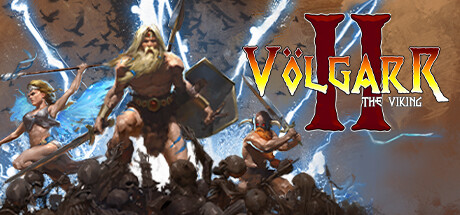
Серьёзных проблем нет, минусы описаны ниже
Почему оценка C: мнения разделились: недовольных почти столько же, сколько довольных
Нет игроков онлайн в Steam - это не определяет готовность одиночного режима · последнее известное значение, ещё не обновлено
787 дней назад
Нет отзывов за последние 30 дн.
Русского нет · всего 8 языков
213 руб.
Сравним с вашим ПК и прикинем FPS
Подробных отзывов на русском мало - добавлены отзывы на других языках.
Under water jump mechanic is not well optimize, and a lot of death in this game is caused by poor control optimization. Would not recommend.
Volgarr the Viking II is an uncompromising continuation of a cult-favorite formula, designed with absolute confidence in its identity as a brutally precise, old-school action platformer. Developed by Digital Eclipse in collaboration with Crazy Viking Studios and published by Digital Eclipse, the sequel arrives more than a decade after the original with a clear mission: to preserve the merciless spirit that defined Volgarr while carefully integrating modern conveniences that broaden its appeal without dulling its edge. The result is a game that feels resolutely traditional in its demands, yet more accommodating in how it lets players engage with that difficulty. At its core, Volgarr the Viking II is built around mastery through repetition. Movement, combat, and timing are deliberately rigid, demanding commitment from the player rather than improvisation. Every jump has weight, every attack animation has consequence, and every enemy encounter is constructed to punish hesitation or sloppy execution. Death is frequent and instantaneous, reinforcing the game’s philosophy that progress comes from learning patterns, memorizing hazards, and refining execution through repeated failure. This design places it firmly in the lineage of classic arcade and console titles, evoking the spirit of games that treated completion as an achievement rather than an expectation. What distinguishes the sequel from its predecessor is how it balances this punishing design with flexibility. Checkpoints, save options, and alternate modes allow players to shape their experience without undermining the core challenge. These systems act as pressure valves rather than shortcuts, offering relief to those who need it while still rewarding purists who choose to forgo them. Importantly, the game does not hide its intended difficulty; instead, it presents assistance as an option rather than a default, preserving the satisfaction of overcoming obstacles through skill. This approach makes the sequel more approachable without betraying the expectations of its most dedicated audience. Level design remains tightly constructed and deliberate. Stages are lengthy, packed with layered hazards, enemy ambushes, and vertical traversal that tests spatial awareness as much as reflexes. Progression often requires careful observation, as enemy placements and environmental traps are designed to catch players off guard on their first encounter. Boss fights emphasize pattern recognition over raw aggression, demanding patience and discipline rather than frantic button-mashing. New abilities and power-ups expand Volgarr’s toolkit, subtly increasing tactical variety while remaining consistent with the game’s grounded, methodical pacing. Visually, the game embraces a refined pixel art aesthetic that channels classic arcade sensibilities while benefiting from modern animation techniques. Character movement is crisp and readable, enemy designs are distinct and expressive, and backgrounds convey mythic scale without overwhelming gameplay clarity. The art direction reinforces the game’s tone of harsh heroism, presenting a world that is hostile, imposing, and indifferent to the player’s success. Audio design complements this with impactful sound effects that give weight to combat, though the music remains understated, serving atmosphere more than memorability. Despite these strengths, Volgarr the Viking II is unapologetically niche. Its reliance on memorization, its severe punishment for mistakes, and its resistance to modern platforming conveniences will not appeal to everyone. Even with added accessibility options, the game demands patience and perseverance, and those unwilling to engage with its trial-and-error structure may find frustration outweighing satisfaction. Additionally, while the sequel expands and refines its mechanics, it does not dramatically reinvent the formula, which may leave some players wishing for bolder innovation after such a long gap between entries. Communi…
Its been a few years since the first game, but this one felt just as punishing. This was a great rage inducing platformer just as I had hoped it would be.
Да: серьёзных проблем нет. Оценка GameHealth - C: мнения разделились: недовольных почти столько же, сколько довольных.
Нет, Steam не указывает русский язык у этой игры.
Нет, это однопользовательская игра.
Видеокарта: минимум - AMD Radeon R5 Graphics or equivalent и 8 ГБ памяти; рекомендуется NVIDIA GeForce GTX 1050 or equivalent и 8 ГБ. Сравнить со своим ПК можно в блоке системных требований выше.
Да, Steam Deck Playable - запускается, но что-то может потребовать настройки.
213 руб. в Steam.
Экшен
Steam · обновлено 8 часов назад
Экшен
Steam · обновлено 7 часов назад
Экшен
Steam · обновлено 7 часов назад
 Динамика игры