СТАТУС ИГРЫ
B
Да, стоит играть
Серьёзных проблем нет, минусы описаны ниже
Почему оценка B: большинство хвалит, но недовольных заметно больше, чем у игр с A
Данные SteamОбновлено 6 часов назад
Серьёзных проблем нет, минусы описаны ниже
Почему оценка B: большинство хвалит, но недовольных заметно больше, чем у игр с A
Нет игроков онлайн в Steam - это не определяет готовность одиночного режима · последнее известное значение, ещё не обновлено
600 дней назад
Нет отзывов за последние 30 дн.
Русский + ещё 8 языков
82 руб.
Сравним с вашим ПК и прикинем FPS
Подробных отзывов на русском мало - добавлены отзывы на других языках.
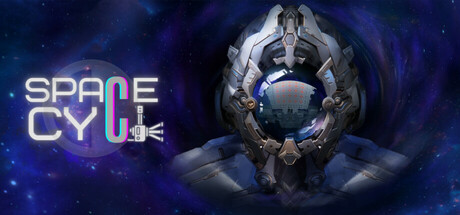
Space Cycle is a fast, tightly constructed strategy experience that takes the foundations of tower defense and reshapes them into something more immediate and reactive. Developed and published by Some Sugar Studio, it centers on defending a looping energy system in space, where enemies continuously circulate rather than advancing in traditional waves. This single design choice defines the entire experience, transforming what would otherwise be a familiar genre into a constant balancing act where positioning, timing, and adaptability matter far more than static planning. The gameplay loop is straightforward at first glance. Players place defensive units, manage limited resources, and upgrade their capabilities while enemies repeatedly cycle through the battlefield. However, the circular structure means that threats never truly disappear—any weakness in your setup is revisited again and again as enemies loop back around. This creates a persistent pressure that forces players to think beyond short-term solutions. Instead of reacting to isolated waves, you are building a system that must hold up over time, adjusting placements and upgrades dynamically as the situation evolves. What makes Space Cycle engaging is how quickly it demands decision-making. There is very little downtime once a run begins, and the pace rarely slows. Resources must be spent carefully, upgrades must be chosen with foresight, and mistakes can compound quickly if left unaddressed. At the same time, the game introduces randomized elements, such as varying enemy patterns and upgrade opportunities, which prevent runs from feeling identical. This unpredictability encourages experimentation, as players refine strategies and adapt to changing conditions rather than relying on a single optimal approach. The variety of defensive units adds another layer of strategy. Each unit serves a different role, whether focused on damage output, area control, or utility, and effective play often comes from combining these roles in ways that complement one another. While the individual mechanics are not overly complex, the interactions between them create meaningful choices, especially as the difficulty increases. The game rewards players who can anticipate how different elements will work together over time, rather than simply reacting to immediate threats. Visually, Space Cycle adopts a clean and minimalistic sci-fi style that prioritizes clarity. The battlefield is easy to read, and important information is presented without unnecessary clutter, which is essential given the speed at which decisions need to be made. While it does not aim for visual spectacle, the design is cohesive and functional, supporting the gameplay without distraction. The audio design follows a similar approach, providing feedback that reinforces the sense of urgency without overwhelming the player. The game’s pacing is both one of its greatest strengths and one of its potential drawbacks. Its quick, run-based structure makes it highly accessible for short sessions, and the constant flow of action creates a strong sense of momentum. However, this same intensity can become demanding over longer periods, as the game rarely allows players to pause and reassess. The difficulty curve can also feel sharp, particularly when randomized elements combine in ways that are difficult to counter, leading to runs that end abruptly despite careful planning. Another limitation lies in the overall variety of the experience. While the core mechanics are solid, they do not evolve dramatically as the game progresses. New units and upgrades provide some variation, but the fundamental loop remains largely unchanged. Over time, this can lead to a sense of repetition, especially for players who spend extended sessions with the game. The focus on streamlined design ensures accessibility, but it also places a ceiling on how much depth and long-term complexity the game can offer. Despite these issues, Space Cycle succeeds…
Small hidden gem. Simple, yet smart, unusual and satisfying mechanics. Easy to miss them early. That provided me feeling of progress and self-improvement satisfaction each time I realized some of them and eventually mastered the game. Cons: - final waves and endless mode feels too easy - no achievement for beating the 11th "endless" 99 waves level
Excellent tower defense with unique mechanics and interesting rng to spice things up. I have high hopes for a contiunation of this.
Да: серьёзных проблем нет. Оценка GameHealth - B: большинство хвалит, но недовольных заметно больше, чем у игр с A.
Да: интерфейс. Русской озвучки нет.
Нет, это однопользовательская игра.
Видеокарта: минимум - Nvidia GeForce GTX760 и 4 ГБ памяти. Сравнить со своим ПК можно в блоке системных требований выше.
82 руб. в Steam.
 Динамика игры