СТАТУС ИГРЫ
D
Нет, сейчас не стоит играть
Много отрицательных отзывов за всё время
Почему оценка D: отзывы в основном плохие, и свежие отзывы хуже, чем за всё время
Данные SteamОбновлено 1 час назад
Много отрицательных отзывов за всё время
Почему оценка D: отзывы в основном плохие, и свежие отзывы хуже, чем за всё время
107
29 дней назад
27.5% положительных
Русского нет · всего 2 языка
320 руб.
Минимальная цена (IsThereAnyDeal): ≈ 434 ₽
Сравним с вашим ПК и прикинем FPS
Подробных отзывов на русском мало - добавлены отзывы на других языках.
sb 作者,烂尾就烂尾了还几把把之前的经验卷给限制等级使用了,你个几把单机小游戏还tm为了拖时间而拖,cnm的,新图就是为了难而难,各种sb机制。这就去写小作文退款,垃圾作者
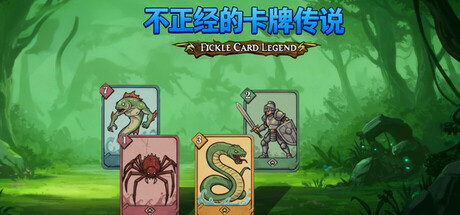
Fickle Card Legend, developed and published by 偶尔不帅, is an unconventional indie action RPG that attempts to merge the immediacy of real-time combat with the strategic flavor of card-based systems. Rather than following the familiar turn-based deckbuilder formula, the game pushes cards directly into the action, transforming them into active participants on a side-scrolling battlefield. This hybrid design gives the game a distinctive identity, blending elements of platformers, RPG progression, and card mechanics into a fast-paced experience that feels experimental and intentionally old-school. The core gameplay revolves around real-time battles where cards are deployed as combat units instead of being played from static menus. Once summoned, these cards take on physical form in the arena, charging forward, attacking enemies, and triggering skills depending on their type and timing. Because everything happens in real time, positioning and deployment decisions matter as much as deck composition. Poorly timed card use can leave the player overwhelmed, while smart placement and synergy between units can quickly turn the tide. This approach creates a sense of urgency rarely found in card-driven games, making encounters feel closer to action brawlers than traditional strategy titles. RPG progression adds another layer of depth. Players can choose between different character archetypes, such as warrior, mage, or taoist, each with distinct abilities, skill trees, and playstyles. As the game progresses, characters level up, unlock new skills, and gain access to stronger equipment, allowing players to shape their preferred approach to combat. Cards themselves can also be enhanced, encouraging experimentation with different combinations to find builds that complement the chosen class. This progression system helps maintain a sense of long-term growth and rewards players who invest time in understanding the game’s systems. Visually, Fickle Card Legend adopts a stylized, cartoon-like aesthetic that feels intentionally retro. Character sprites, enemies, and environments are simple but expressive, evoking the look of classic side-scrolling adventure games rather than modern high-definition productions. This visual style supports the game’s arcade-like pacing, though it can sometimes struggle with readability when many effects and units appear on screen simultaneously. During intense battles, especially boss encounters, visual clarity can suffer, making it harder to track enemy attacks and card effects in the chaos. The game places a strong emphasis on single-player progression, avoiding competitive or online-focused features entirely. There is no player-versus-player combat, no shared loot, and no monetization mechanics designed to pressure progression. This design choice makes the experience feel self-contained and focused, allowing players to advance at their own pace without outside interference. For fans of solo RPGs and offline card games, this can be a refreshing change from more socially driven or grind-heavy titles. Despite its creativity, Fickle Card Legend has notable rough edges. Some mechanics are not explained as clearly as they could be, leading to confusion for new players trying to understand card interactions, stats, or optimal strategies. The interface, while functional, can feel clunky at times, and the learning curve may be steeper than expected given the game’s simple visual presentation. These issues contribute to mixed community reception, with players divided between those who enjoy the game’s originality and those frustrated by its lack of polish. In terms of pacing, the game offers a steady flow of stages, enemies, and bosses that gradually increase in difficulty. Boss fights in particular highlight both the strengths and weaknesses of the combat system, as they demand careful card deployment and movement while sometimes exposing balance or clarity issues. Players willing to adapt and experiment are more like…
very annoying when you wanna drag something off of you to repair it, it thinks youre trying to sell it. So you have to un equip everything into your backpack then drag it all one by one over to repair it, put it all back into your back pack, leave the repair merchant, open you pack back up then re equip everything.
Сейчас нет: много отрицательных отзывов за всё время. Оценка GameHealth - D: отзывы в основном плохие, и свежие отзывы хуже, чем за всё время.
Сейчас в Steam 107 чел., в среднем за 30 дней - 227.
Нет, Steam не указывает русский язык у этой игры.
Нет, это однопользовательская игра.
Видеокарта: минимум - Nvidia GTX 950 | AMD R7 370 и 8 ГБ памяти. Сравнить со своим ПК можно в блоке системных требований выше.
Да, Steam Deck Playable - запускается, но что-то может потребовать настройки.
320 руб. в Steam.
 Динамика игры