СТАТУС ИГРЫ
A
Да, стоит играть
Серьёзных проблем нет, минусы описаны ниже
Почему оценка A: отзывы хорошие, но до S не хватает почти единодушной похвалы
Данные SteamОбновлено 3 часа назад
Серьёзных проблем нет, минусы описаны ниже
Почему оценка A: отзывы хорошие, но до S не хватает почти единодушной похвалы
Нет игроков онлайн в Steam - это не определяет готовность одиночного режима · последнее известное значение, ещё не обновлено
609 дней назад
Нет отзывов за последние 30 дн.
Русского нет · всего 4 языка
165 руб.
Сравним с вашим ПК и прикинем FPS
Подробных отзывов на русском мало - добавлены отзывы на других языках.
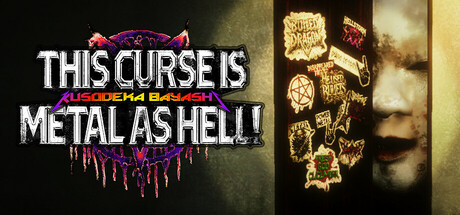
This Curse Is Metal as Hell! | Kusodeka Bayashi, developed and published by HAZECODE, is a compact first-person horror experience that thrives on tonal contrast, blending rural folklore, absurd comedy, and creeping supernatural dread into a tightly paced narrative adventure. What initially appears to be a simple story about a child visiting their grandparents in a quiet countryside village quickly spirals into something far stranger. The sleepy town setting becomes the stage for a generational curse, occult mysteries, and bizarre encounters that blur the line between parody and genuine unease. Rather than committing fully to traditional horror or outright comedy, the game deliberately occupies the uncomfortable space between them. The premise centers on a young protagonist arriving in the rural village of Sodehiki, only to discover that beneath its pastoral calm lies a disturbing legacy tied to family history and a sinister mountain deity. The writing embraces eccentricity from the outset. Conversations and environmental storytelling oscillate between humorous absurdity and ominous foreshadowing, creating a sense that something is fundamentally off long before overt horror elements emerge. This deliberate tonal instability becomes one of the game’s defining features. Moments that initially provoke laughter often pivot unexpectedly toward dread, and scenes that feel tense are undercut by surreal humor that keeps the player slightly off balance. Gameplay unfolds from a first-person perspective with a focus on exploration and environmental interaction. The village and surrounding areas are relatively compact but dense with atmosphere. Narrow paths, weathered wooden structures, and odd religious iconography establish a strong sense of place. As players move deeper into the mystery, environmental details grow increasingly distorted, reinforcing the narrative’s descent into supernatural chaos. Rather than relying on complex mechanics, the game emphasizes immersion and pacing. Movement is straightforward, interactions are intuitive, and progression flows naturally through observation and contextual cues. A distinctive mechanic involves the protagonist’s MP3 player, which functions as more than a simple narrative prop. This device grants access to supernatural abilities that tie directly into the unfolding curse. The concept feels intentionally eccentric, blending modern everyday objects with folkloric horror. Using music as a conduit for power reinforces the game’s thematic identity—its title is not merely stylistic flair but an extension of its design philosophy. The integration of these abilities into exploration segments adds variety without overwhelming the core experience, serving as both a narrative device and a light gameplay enhancer. The game’s length—typically around an hour to ninety minutes—works in its favor. Rather than overstretching its concept, This Curse Is Metal as Hell! delivers a concise arc that maintains momentum from start to finish. The pacing escalates steadily, moving from mild curiosity to escalating supernatural events without unnecessary filler. Because of its brevity, each moment feels intentional, and the narrative avoids stagnation. While the experience offers a single ending and limited replay value, its compact structure ensures that it remains memorable rather than repetitive. Visually, the game balances rustic charm with unsettling imagery. The rural environment feels grounded enough to establish familiarity, but strange statues, cult-like symbols, and distorted figures gradually invade the scenery. Lighting and sound design play a significant role in amplifying tension. Ambient noises, subtle shifts in audio cues, and sudden tonal changes support the horror elements without resorting to constant jump scares. The presentation leans into stylized exaggeration rather than hyperrealism, reinforcing the game’s identity as a horror-comedy hybrid. Reception among players has generally highlight…
Да: серьёзных проблем нет. Оценка GameHealth - A: отзывы хорошие, но до S не хватает почти единодушной похвалы.
Нет, Steam не указывает русский язык у этой игры.
Нет, это однопользовательская игра.
165 руб. в Steam.
 Динамика игры