СТАТУС ИГРЫ
A
Да, стоит играть
Серьёзных проблем нет, минусы описаны ниже
Почему оценка A: отзывы хорошие, но до S не хватает почти единодушной похвалы
Данные SteamОбновлено 1 час назад
Серьёзных проблем нет, минусы описаны ниже
Почему оценка A: отзывы хорошие, но до S не хватает почти единодушной похвалы
1
3338 дней назад
100% положительных
Русского нет · всего 1 язык
78 руб.
Сравним с вашим ПК и прикинем FPS
Подробных отзывов на русском мало - добавлены отзывы на других языках.
Эта игра определённо будет для меня точкой входа в работы Zachtronics. Я в них сейчас ничего не понимаю, вот просто вообще ни-че-го. Но очень хочу разобраться! А до этого момента - раскладываю отличный пасьянс от Zachtronics с парой своих хитрых фишек и симпатичной визуальной частью. Ведь это удивительно, но в Steam непросто найти стильный, красивый и оригинальный пасьянс - в основном встречается только какая-то дичь или что-то предельно казуальное. UPD. Разложил 100 партий. Приятная успокаивающая игра, хотя первые партий 10-15 шли довольно тяжко - непривычно. Но в этом и фишка.
Зачем нужен сам SHENZHEN - когда есть прекрасное дополнение в виде солитёра. расслабляет, затягивает, заставляет думать головой хоть и не так сильно, но разминает вполне. Музыка шикарна, графика и цветовая палитра отпад. Глаза отдыхают, ушам приятно, мозг получает удовольствие от процесса.
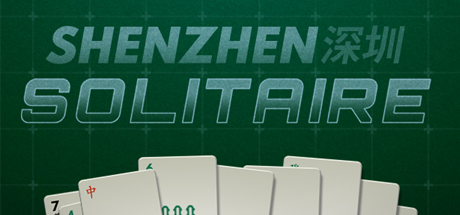
SHENZHEN SOLITAIRE takes the familiar idea of a single-player card game and turns it into a surprisingly absorbing logic puzzle. Developed and published by Zachtronics, it began life as a diversion within SHENZHEN I/O before becoming available as a standalone release. That background explains its unusual personality. Instead of reproducing Klondike or another traditional form of solitaire, it presents its own system influenced by Mahjong and FreeCell, creating something immediately recognizable yet different enough to demand a new approach. The rules are relatively easy to understand, but consistently winning is another matter. Much of the challenge revolves around arranging cards correctly while carefully managing the limited spaces available for temporarily moving them. A decision that looks harmless can block an important card several moves later, so success gradually becomes an exercise in planning ahead. There is very little mechanical complexity to hide behind. The satisfaction comes from studying the board, recognizing opportunities, and figuring out the correct sequence of moves. What makes the design especially effective is how often difficult situations feel like genuine puzzles rather than unfortunate randomization. More than 98 percent of generated deals are intended to be solvable, which changes the way frustrating layouts are approached. When a game appears impossible, there is usually a strong reason to reconsider previous choices instead of simply blaming the deal. This encourages experimentation and makes failure useful because each unsuccessful attempt can reveal a better route through the same kind of problem. The combination of FreeCell-style planning and Mahjong-inspired elements also gives the game a stronger identity than its minimalist appearance initially suggests. Players familiar with conventional solitaire cannot rely entirely on old habits. Learning when to expose particular cards, when to preserve open spaces, and when to commit to a sequence becomes increasingly important. The best victories feel earned because the player has gradually untangled what initially appeared to be an unmanageable arrangement. Its pacing is another major strength. A round can be played during a short break, yet the game has an extremely effective one-more-attempt quality. There is almost no unnecessary downtime between thinking and acting, making it easy to restart after a mistake or immediately begin another deal after winning. The achievement system provides a few additional objectives, including the amusing long-term challenge associated with reaching 100 victories. These extras are modest, but they suit a game whose replay value comes primarily from mastering its central rules. Visually, the presentation is simple and functional rather than spectacular. That restraint works because clarity matters more than graphical extravagance in a card puzzle. Cards are easy to distinguish, the board remains readable, and the interface stays out of the player's way. The SHENZHEN-inspired aesthetic gives the game enough character to avoid feeling like a generic computer solitaire application without sacrificing usability. Audio and presentation similarly remain secondary to the actual puzzle solving. The biggest limitation is simply its narrow scope. There is no extensive campaign, narrative adventure, collection system, multiplayer component, or huge assortment of alternate card games. What you are getting is a focused solitaire variant built around repeated randomized deals. Players who need constant unlocks or numerous modes may exhaust its appeal quickly. For someone who enjoys improving at a carefully designed puzzle system, however, that simplicity becomes an advantage because there is very little clutter between the player and the core challenge. There is also an important consideration for owners of SHENZHEN I/O. The solitaire game is already accessible within that title after making some progress, so purchasing…
Да: серьёзных проблем нет. Оценка GameHealth - A: отзывы хорошие, но до S не хватает почти единодушной похвалы.
Сейчас в Steam 1 чел., в среднем за 30 дней - 2.
Нет, Steam не указывает русский язык у этой игры.
Нет, это однопользовательская игра.
78 руб. в Steam.
 Динамика игры