СТАТУС ИГРЫ
B
Да, стоит играть
Серьёзных проблем нет, минусы описаны ниже
Почему оценка B: большинство хвалит, но недовольных заметно больше, чем у игр с A
Данные SteamОбновлено 3 часа назад
Серьёзных проблем нет, минусы описаны ниже
Почему оценка B: большинство хвалит, но недовольных заметно больше, чем у игр с A
Нет игроков онлайн в Steam - это не определяет готовность одиночного режима · последнее известное значение, ещё не обновлено
1947 дней назад
100% положительных
Русский + ещё 12 языков
120 руб.
Сравним с вашим ПК и прикинем FPS
Подробных отзывов на русском мало - добавлены отзывы на других языках.
This is an interesting puzzle game that is simultaneously satisfying and frustrating. There is no hidden information in any puzzle, so if your ability to think ahead and visualize what the board looks like after each move is strong enough, each puzzle can be solved without any guessing or luck. Unfortunately, my ability is not that strong ;) and I'll readily admit that I solved quite a few of them by dumb trial and error - a process that can be quite frustrating. When you do see the solution ahead of time, though, it's intensely satisfying and keeps you going. I especially liked the puzzles where some isolated part "solves itself" while you're racing to get the pieces in the right place on the rest of the board. The animations are gorgeous, too. All in all, I recommend this game and it's worth going for all the achievements.
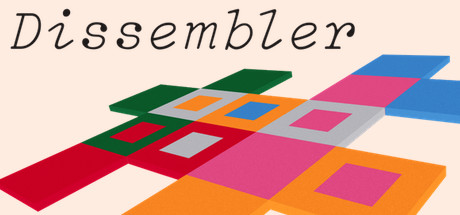
Dissembler is a minimalist puzzle game developed by Ian MacLarty and published by Shape Shop, built around a deceptively simple concept that gradually reveals surprising depth. At first glance, it appears to be another color-matching puzzle title, but it quickly distinguishes itself through its core rule: no new tiles ever fall onto the board. The objective is not to rack up points or create cascading combos, but to completely clear every tile from each puzzle grid. This small but crucial difference transforms the experience from a reactive match-three formula into a deliberate, logic-driven challenge that rewards foresight and careful planning. The gameplay revolves around flipping adjacent tiles to create matches of three or more identical colors. However, you can only flip tiles if doing so results in a valid match, which means every move must be purposeful. Because cleared tiles do not refill, the puzzle becomes a matter of unraveling the board layer by layer until nothing remains. Early levels introduce the mechanics in a straightforward manner, easing players into the concept with manageable layouts and limited color palettes. As the game progresses, new complications are introduced, such as layered tiles that require multiple matches to remove or board configurations that restrict possible movements. These additions steadily increase the complexity without overwhelming the player, creating a smooth and satisfying difficulty curve. One of the most compelling aspects of Dissembler is its handcrafted design philosophy. Each puzzle is individually constructed rather than procedurally generated, giving every board a distinct personality and intentional structure. Solutions often require players to think several moves ahead, carefully setting up sequences that will allow later pieces to align correctly. Because there is no randomness once a puzzle begins, success depends entirely on observation and logical reasoning. When a board is finally cleared after multiple attempts, the sense of accomplishment feels earned rather than accidental. Visually, the game embraces simplicity to support its meditative tone. The interface is clean, uncluttered, and free from unnecessary distractions. Tiles are presented in soft, distinct colors against muted backgrounds, making patterns easy to read while maintaining a calm aesthetic. The minimalist design helps players focus entirely on the puzzle at hand, encouraging concentration rather than sensory overload. Complementing this visual restraint is an ambient soundtrack that enhances the contemplative atmosphere without drawing attention away from the task. The overall presentation reinforces the idea that Dissembler is as much about quiet reflection as it is about problem-solving. Another notable feature is the generous undo system, which allows players to reverse any number of moves at any time. This removes the frustration often associated with puzzle games that penalize experimentation. Instead, Dissembler invites trial and error as part of the learning process. You are free to test ideas, explore potential setups, and refine your approach without consequence. This design choice fosters a relaxed yet intellectually engaging environment, where persistence and creativity are encouraged. Beyond its main set of puzzles, the game offers additional content to extend its longevity. Daily challenges provide fresh boards to solve, while an infinite mode introduces procedurally generated puzzles for those seeking endless variation. These supplementary modes ensure that even after completing the primary campaign, players have reasons to return. The balance between structured progression and replayable content makes the experience feel complete despite its minimalist scope. Ultimately, Dissembler stands as a testament to how refined mechanics and thoughtful design can elevate a simple idea into something deeply rewarding. It does not rely on flashy effects, complex narratives, or competitive…
Looks relaxing. Isn’t. It’s like someone gift-wrapped a logic bomb in pastel colors. Gotta admit now my brain hurts... but in a polite way.
Да: серьёзных проблем нет. Оценка GameHealth - B: большинство хвалит, но недовольных заметно больше, чем у игр с A.
Да: интерфейс. Русской озвучки нет.
Нет, это однопользовательская игра.
Видеокарта: минимум - OpenGL 2.1 и 2 ГБ памяти. Сравнить со своим ПК можно в блоке системных требований выше.
120 руб. в Steam.
 Динамика игры