СТАТУС ИГРЫ
C
Да, стоит играть
Серьёзных проблем нет, минусы описаны ниже
Почему оценка C: мнения разделились: недовольных почти столько же, сколько довольных
Данные SteamОбновлено 3 часа назад
Серьёзных проблем нет, минусы описаны ниже
Почему оценка C: мнения разделились: недовольных почти столько же, сколько довольных
Нет игроков онлайн в Steam - это не определяет готовность одиночного режима · последнее известное значение, ещё не обновлено
3593 дня назад
100% положительных
Русского нет · всего 6 языков
445 руб.
Сравним с вашим ПК и прикинем FPS
Подробных отзывов на русском мало - добавлены отзывы на других языках.
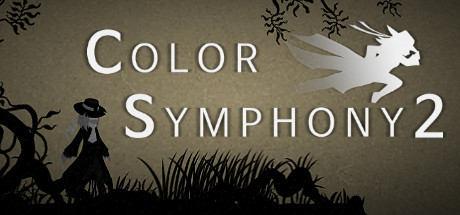
Прошёл, вспотел, побомбил. И что могу сказать. Сиквел полностью оправдал мои ожидания! Слава геймдеву, разработчик не разочаровал и действительно исправил большинство недоработок оригинала. Так что теперь я главного героя кличу не "срaный уволень" из-за прежде кривого управления, а "бл*ть, да как это пройти-то, сyка!". Игра стала сложнее. Намного. Значительно. По уровню бесячести она по моему мнению превосходит какой-нибудь условный Cuphead. Но спасибо, что сложность эта достигается на сей раз не вырвиручным управлением, ибо пофикшены такие недочёты, как слишком близкая камера, плохой отклик, тормознутость перса. Так что героя ныне я оскорбляю исключительно из-за своих кривых рук. Это всё ещё преимущественно платформер с элементами головоломки. Платформер выдался более симпатичный, чем прежде, под эдакую восточную стилистику — выглядит всё более гладко и органично. В основе также лежит игра с цветами. Тут материализуй желтые платформы, тут удали красные крюки, а тут добавь красок в свою ничтожную жизнь, сопляк. Ну или что-то вроде того... Основных цветов всё ещё 3, но, правда, во второй половине добавляются ещё вроде бы 2 цвета, но с иной, новой механикой: менять реальность под эти цвета (зелёный и фиолетовый) мы можем не собственноручно в любой момент, а только касаясь объекта-кляксы в определённом месте на локации. Короче говоря, нужно добраться до условной акварели, чтобы перекрасить этот мирок. Иногда это работает временно, т.е. появился таймер, за время которого нужно успеть сделать все свои дела. Игра в целом стала куда более изобретательно использовать свои сигнатурные фишки, подкидывая более и более оригинальные задачки. Правда, отмечу, что уровней, построенных именно на решение ребуса, — от силы процентов 10. Чаще всего наша задача всё же ловко пропрыгать к концу локации, умело манипулируя цветами. В игру также завезли таблицу лидеров и рекордов к каждому уровню, что стимулировало eбyрить ещё более резво. Годная штука, в которой можно заценить свою мощь, сравнив себя с другими. И если сначала я задорно выполнял каждый уровень на 5 звёзд и собирал каждый доп.предмет в виде шляпы, то вскоре я смирился с тем, что нет, не вывезу. Потому что к концу началось ну просто какое-то выносилово. Помните подлую игрушку на телефоны Flappy bird, что послужила причиной многим разбитым смартфонам? Так вот по ощущениям Color Symphony 2 очень напомнила мне ту жгучую боль. Особенно хорошо флешбекнуло в уровнях, которые по своей структуре были максимально приближены к вышеупомянутой игре: тоже нужно ловить микро-тайминг и пропрыгивать между условными "трубами", и так много раз подряд, да ещё и с усложнением в виде постоянного контроля цветов и переключения на нужный. К финалу появятся ещё и бесячие стреляющие дроны, похуже птиц из оригинала, вдобавок к рассыпающимся платформам и лезвиям, что едут за спиной и не дают даже на секунду остановится передохнуть. И всё это надо преодолевать, постоянно переключая цвета ювелирнейшим образом. Это точно неплохая тренировка на координацию. А ещё на реакцию. И чувство тайминга. В общем, любителям хардкорных платформеров, выжирающих ложкой нервы, — советую это детище. 7 из 10.
Color Symphony 2, developed and published by REMIMORY, is an inventive and emotionally charged puzzle-platformer that turns the concept of color into both a gameplay mechanic and a symbolic narrative device. At its core, the game is about transformation—about using color not only to navigate the world but also to uncover meaning beneath its stark, minimalist surface. It is the kind of experience that rewards patience and precision, one that demands both mental agility and emotional endurance. REMIMORY’s design philosophy is clear from the outset: simplicity in controls and presentation hides a deeper complexity of structure and rhythm. The result is a game that feels contemplative yet punishing, serene yet demanding, and deeply satisfying when its challenges are overcome. The premise of Color Symphony 2 is built around the player’s ability to shift between three distinct color dimensions—blue, red, and yellow—each of which alters the physical structure of the environment. By changing color, the player can make certain platforms disappear, reveal hidden passages, or neutralize hazards. The mechanic is elegant, intuitive, and endlessly versatile, leading to an impressive variety of puzzles that escalate in complexity as the game progresses. Early levels teach the basics—jumping, switching colors midair, understanding how obstacles interact with each hue—but later stages turn these simple lessons into intricate, almost rhythmic sequences that require exact timing and foresight. It is not enough to react quickly; success depends on anticipating what will vanish or appear in the next instant. The structure of the game reflects this philosophy of mastery through repetition. Across more than a hundred levels, the player encounters designs that constantly test dexterity and memory. Each stage feels like a compact riddle where one mistake can reset progress, yet the punishment is never arbitrary. Every death serves as a lesson, every misstep a clue toward a smoother execution. The flow between frustration and accomplishment mirrors that of classic platforming experiences like Super Meat Boy or Celeste, but Color Symphony 2 adds its own flavor of abstraction. Where those games emphasize physical movement, REMIMORY’s creation layers mental calculation on top—forcing you to think in terms of color logic as well as momentum. By the time the player reaches the later levels, the act of switching colors becomes almost instinctive, turning into a kind of choreography that feels more like composing a melody than solving a puzzle. The game’s visual design reinforces this musical analogy. Rather than relying on vibrant textures or lush backdrops, Color Symphony 2 opts for minimalism. Most of the world is rendered in silhouettes and stark contrast, with the background serving as a dark void punctuated by glowing shapes and sharp outlines. When the player shifts color, the entire world pulses and morphs, transforming what was once solid into empty air or what was previously deadly into a safe platform. This constant metamorphosis gives the game an ethereal, dreamlike quality. The title’s “symphony” is not merely poetic—it reflects how every color shift feels like a note in a visual composition. The subdued soundtrack complements this atmosphere perfectly. Its ambient tones and piano motifs create a haunting sense of solitude, amplifying the tension and release of each stage. It’s not an aggressive or adrenaline-fueled experience; instead, it cultivates a reflective mood, inviting players to lose themselves in the rhythm of trial and discovery. Beneath the mechanics, there is also a faint narrative thread. The game hints at a protagonist burdened by emotional weight—perhaps guilt, perhaps memory—though the story remains intentionally abstract. It doesn’t deliver exposition through dialogue or cutscenes, but rather through tone and symbolism. The use of color as both mechanic and metaphor suggests a journey through psychological states, a move…
While the first Color Symphony was a short and fun to complete. The second is much less enjoyable due to the very hard ramp up in difficulty, the floaty and loose controls paired with the tighter than before level design makes for a frustrating experience, not to mention trying to hit target times and the instances where the character clips into the walls and floors, or the times where the game randomly slows down for to discernible reason, overall, it isn't recommended for those who have played the first game.
Да: серьёзных проблем нет. Оценка GameHealth - C: мнения разделились: недовольных почти столько же, сколько довольных.
Нет, Steam не указывает русский язык у этой игры.
Нет, это однопользовательская игра.
Видеокарта: минимум - DirectX 9.0c compatible video card with shader model 2.0 support и 1 ГБ памяти. Сравнить со своим ПК можно в блоке системных требований выше.
445 руб. в Steam.
 Динамика игры