СТАТУС ИГРЫ
C
Да, стоит играть
Серьёзных проблем нет, минусы описаны ниже
Почему оценка C: мнения разделились: недовольных почти столько же, сколько довольных
Данные SteamОбновлено 6 часов назад
Серьёзных проблем нет, минусы описаны ниже
Почему оценка C: мнения разделились: недовольных почти столько же, сколько довольных
1
312 дней назад
100% положительных
Русского нет · всего 5 языков
200 руб.
Сравним с вашим ПК и прикинем FPS
Подробных отзывов на русском мало - добавлены отзывы на других языках.
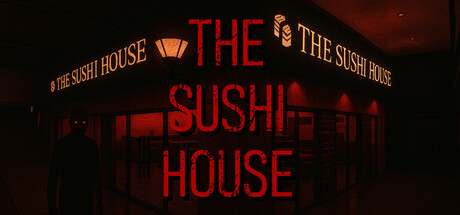
The Sushi House - хоррор, от которого сначала испытываешь приятные эмоции, но ближе к концу игра становится утомительной и сильно надоедает. Много раз возникало желание дропнуть игру, несмотря на её плюсы и неплохой сюжет. Сюжет, который неплох, но игру это мало спасает. Главный герой устраивается работать в суши ресторан, который находится в его же доме на цокольном этаже. Очень удобно добираться, а главное - приятные коллеги, как можно подумать по началу. Мы знакомимся с приятной Юки, которая обучит нас делу. После смены она захочет поговорить с нами в ресторанчике с лапшой неподалеку. Там главный герой и Юки обсуждают прошедший день и новости. Она упоминает про вирус, который связан с человеческим мясом, тем самым рассказывая секрет ресторана, в который мы устроились. Сначала геймплей может показаться уникальным(в этом есть доля правды), но позже это будет действовать на нервы. Я опущу тему того, что при готовке вам дают дофига заказов. Сам процесс приготовления не очень сложный, но частенько требует беготни до книги с рецептами. Наверно это единственное, что интересно вместе с сюжетом. Мне бы очень хотелось, чтобы здесь тема про геймплей закончилась, но дальше идет то, что испортило мое впечатление от игры. Через пару смен появляется новая механика - стелс и аля survival хоррор. Впервые это появляется во "сне" главного героя. Там понадобится включить дорожки, пока за вами быстро идет 2-3 красноглазых красавца. Очень буду рада, если кто-то пройдет с первых трех попыток, но у меня ушло гораздно больше... Через смену игра превращается просто в какой-то бред. Нам нужно ходить бродить, искать коды, включать генераторы, прятаться... Это самая утомительная часть игры. Никакого ощущение хоррора. Просто утомительная игра, а про атмосферу даже нечего говорить... Заключение. Мне бы очень хотелось поставить рекоменд, тк игра поначалу и вправду интересная и сюжет неплохой, но то, что постепенно игра превратилась в скучный и нудный стелс без какого-либо интереса очень повлияло на мою окончательную оценку. Возможно игра просто не для меня. Не рекомендую к прохождению! ❤
There were some things that went in and out (e.g. the objectives and the elevator inconsistencies), yet I believe that this game was moderately goated.
The Sushi House, developed and published by Noirbit, is a short-form psychological horror experience that builds its identity around subtlety, routine, and a steadily growing sense of unease. Rather than relying on conventional horror techniques like constant jump scares or overt threats, it draws tension from familiarity—placing players in a grounded, everyday setting and slowly distorting it until something feels deeply wrong. The result is a focused and atmospheric experience that lingers more through mood than spectacle. The premise is deliberately simple. You step into the role of a new employee working at a small sushi restaurant, tasked with performing ordinary duties such as preparing food, cleaning, and maintaining the workspace. At first, the game leans heavily into these routine actions, establishing a rhythm that feels almost meditative. This sense of normalcy is crucial, as it creates a baseline that makes even the smallest deviations feel significant. As the shifts progress, subtle irregularities begin to appear—changes in lighting, unusual sounds, and small environmental details that hint at something unsettling beneath the surface. Gameplay is built around these routine tasks, functioning as a light simulation that reinforces immersion. The mechanics are intentionally simple, focusing on interaction rather than complexity. Preparing dishes and managing the environment becomes second nature, allowing players to settle into the role before the game begins to disrupt that comfort. As the experience unfolds, narrative elements are introduced through environmental cues and occasional dialogue, encouraging players to piece together what is happening rather than presenting a clear, linear explanation. What makes The Sushi House stand out is its pacing. It takes its time, allowing tension to build gradually instead of forcing moments of fear. The repetition of daily tasks becomes a tool for storytelling, with each cycle introducing subtle changes that shift the tone. This slow escalation creates a psychological form of horror, where anticipation becomes more powerful than direct confrontation. Players are left constantly questioning what might happen next, even when nothing immediately does. The narrative itself is understated and open to interpretation. Rather than delivering a fully explained story, the game presents fragments—visual hints, environmental storytelling, and implied events—that invite players to draw their own conclusions. This ambiguity adds to the overall atmosphere, giving the experience a lingering quality that extends beyond its relatively short runtime. However, this approach may also leave some players wanting more clarity or a deeper exploration of its themes. Visually, the game adopts a grounded and realistic style that enhances its immersion. The restaurant environment is detailed enough to feel believable, making the gradual shift into something more unsettling all the more effective. Small changes in lighting and object placement are used to great effect, ensuring that players remain attentive to their surroundings. The first-person perspective further strengthens this connection, placing players directly within the space and making each interaction feel immediate. Audio design plays a critical role in shaping the experience. Ambient sounds, subtle cues, and moments of silence are used to build tension without overwhelming the player. Rather than relying on dramatic musical cues, the game allows its soundscape to evolve naturally, reinforcing the sense that something is off even when it cannot be immediately identified. This restraint contributes significantly to the game’s overall impact. Despite its strengths, the game’s limited scope is noticeable. Its short length means that it does not fully explore all of its ideas, and the simplicity of its mechanics may leave some players wanting more depth or variation. Once the experience concludes, there is little incentive to return bey…
Да: серьёзных проблем нет. Оценка GameHealth - C: мнения разделились: недовольных почти столько же, сколько довольных.
Сейчас в Steam 1 чел., в среднем за 30 дней - 1.
Нет, Steam не указывает русский язык у этой игры.
Нет, это однопользовательская игра.
Видеокарта: минимум - NVIDIA GeForce GTX 960 / AMD Radeon R9 380 и 8 ГБ памяти; рекомендуется NVIDIA GeForce RTX 2060 / AMD Radeon RX 5700 и 16 ГБ. Сравнить со своим ПК можно в блоке системных требований выше.
Да, Steam Deck Playable - запускается, но что-то может потребовать настройки.
200 руб. в Steam.
 Динамика игры