СТАТУС ИГРЫ
B
Да, стоит играть
Серьёзных проблем нет, минусы описаны ниже
Почему оценка B: большинство хвалит, но недовольных заметно больше, чем у игр с A
Данные SteamОбновлено 7 часов назад
Серьёзных проблем нет, минусы описаны ниже
Почему оценка B: большинство хвалит, но недовольных заметно больше, чем у игр с A
Нет игроков онлайн в Steam - это не определяет готовность одиночного режима · последнее известное значение, ещё не обновлено
139 дней назад
Нет отзывов за последние 30 дн.
Русского нет · всего 4 языка
385 руб.
Сравним с вашим ПК и прикинем FPS
Подробных отзывов на русском мало - добавлены отзывы на других языках.
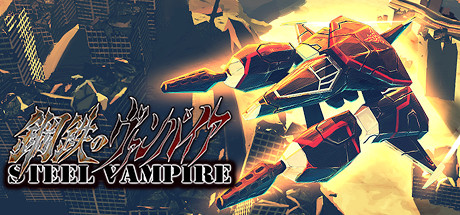
Неплохой буллетхелл с упором на ближний бой. Под это заточен как сам геймплей, так и графика из-за огромных спрайтов как нашего летательного аппарата, так и вражеских. Прогрессия щадящая - после геймовера можно начать с чекпоинта, а не с самого начала уровня. Есть перманентная прокачка за заработанные очки. Единственное что апгрейды сами по себе очень дорогие. Выживание же в процессе боя завязано на подборе кристаллов что выпадают из врагов. Причём чем меньше расстояние между игроком и противником - тем лучше награда. Так же подбирается оружие которое сохраняется в инвентаре навсегда. В общем неплохая игра.
Steel Vampire is a hard-edged vertical shoot-’em-up developed by Akiragoya and published by Henteko Doujin that unapologetically embraces intensity, aggression, and score-driven design. Rooted in classic arcade traditions but sharpened by modern risk-reward systems, the game presents itself as a challenge not just of reflexes, but of nerve. From the opening moments, it signals that survival alone is not the goal; instead, players are encouraged to fly dangerously close to enemy fire, constantly weighing safety against the promise of higher rewards. The game’s dystopian science-fiction premise provides a bleak yet effective backdrop for the relentless action. Humanity, having long eliminated war and suffering, finds itself blindsided by the sudden appearance of hostile machines known as Steel Vampires. These flying monstrosities threaten total annihilation, forcing the revival of a long-frozen and deeply unstable warrior as a last resort. While the narrative remains mostly in the background, it lends thematic cohesion to the game’s harsh tone and reinforces the sense that this is a desperate, all-or-nothing struggle rather than a heroic power fantasy. Mechanically, Steel Vampire distinguishes itself through its emphasis on close-range combat. Unlike many shooters that reward cautious spacing and screen control, this game actively pushes players toward danger. Destroying enemies at close proximity yields more recovery items, bombs, and scoring opportunities, turning reckless aggression into a viable — and often optimal — strategy. This design creates a constant tension: the closer you get, the more powerful you become, but the smaller your margin for error. The result is a gameplay loop that feels thrilling and volatile, demanding unwavering focus and confidence. Central to this experience is the game’s rank system, which dynamically adjusts difficulty based on player performance. As rank increases, enemy bullet patterns grow denser and faster, transforming the screen into a chaotic ballet of projectiles. Maintaining a high rank dramatically boosts scoring potential, but it also raises the stakes to punishing levels. Players can manipulate rank through item collection, bomb usage, and damage taken, adding a layer of strategic decision-making that extends beyond pure reflex. Mastery comes not just from dodging bullets, but from learning when to push rank higher and when to deliberately bring it down to regain control. Visually, Steel Vampire opts for a gritty, utilitarian aesthetic that prioritizes readability and impact over spectacle. Enemy designs are mechanical and oppressive, explosions are sharp and forceful, and the overall color palette reinforces the cold, hostile atmosphere of the setting. While the graphics are not flashy by modern standards, they are clean and functional, ensuring that players can always read bullet patterns and enemy movements — a critical factor in a game where split-second decisions matter. The audio design complements this approach with driving, metallic sound effects and music that heighten tension without overwhelming the action. Replayability is deeply woven into the game’s structure. Each run becomes an opportunity to refine rank control, optimize routes, and push for higher scores. Online leaderboards provide a competitive framework that encourages repeated play and experimentation, while achievements offer additional goals for completionists. Because the difficulty and pacing shift based on how aggressively a player performs, no two runs feel exactly the same, even across repeated playthroughs. This variability gives the game long-term appeal for players who enjoy iterative improvement and score chasing. That intensity, however, comes with a cost. Steel Vampire can be unforgiving, especially for players new to the shoot-’em-up genre or those accustomed to more defensive playstyles. The emphasis on proximity and rank management means that cautious players may struggle to find their f…
This Japanese shoot 'em up tries to be different, but I didn't like it. First, the enemies are too big and your ship is too big with an uncertain hit zone making you an easier target. Second, it's recommended in the tutorial to shoot the enemies before they manage to even shoot and even better if it's in close-up. That means staying close to the top half of the screen and not seeing the enemies much. Third, bullets just go too fast making them very difficult to avoid. Fourth, to improve your ship incrementally requires a lot of dying and grinding. Last, after the boring tutorial, the only difficulty level is "very hard". It's a bit of a joke and a warning, but it was indeed too hard for me.
Да: серьёзных проблем нет. Оценка GameHealth - B: большинство хвалит, но недовольных заметно больше, чем у игр с A.
Нет, Steam не указывает русский язык у этой игры.
Нет, это однопользовательская игра.
Видеокарта: минимум - Integrated Graphics Chip и 2 ГБ памяти. Сравнить со своим ПК можно в блоке системных требований выше.
Да, Steam Deck Playable - запускается, но что-то может потребовать настройки.
385 руб. в Steam.
 Динамика игры