СТАТУС ИГРЫ
ДА
Да, стоит играть
Возражений нет. Нюансы - ниже.
Данные Steam · обновлено вчера
Возражений нет. Нюансы - ниже.
Нет игроков онлайн в Steam - это не определяет готовность одиночного режима · последнее известное значение, ещё не обновлено
47 дней назад
100% положительных
Русского нет · всего 1 язык
159 руб.
Те же жанры Steam, вердикт «Да», сначала самые живые.
Публичная выборка отзывов из Steam. Вердикт считается по цифрам, тексты на него не влияют.
100% положительных за 30 дней
Steam не вернул достаточно отзывов на языке интерфейса - здесь показана выборка на всех языках.
Way better than the modern trash we are getting
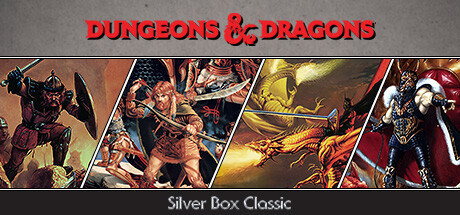
Silver Box Classics is a fascinating piece of Dungeons & Dragons video game history, bringing together four early Dragonlance adaptations that approach the fantasy setting from noticeably different directions. The collection contains Heroes of the Lance, Dragons of Flame, War of the Lance, and Shadow Sorcerer, all centered on events surrounding the opening stages of the War of the Lance. Developed by Strategic Simulations and published in this collection by SNEG, it is primarily aimed at players interested in classic computer gaming, Dragonlance lore, and the experimental period when developers were still discovering how tabletop role-playing systems could translate into video games. Heroes of the Lance introduces Krynn through the Companions of the Lance and their mission to recover the Disks of Mishakal. Their quest carries enormous importance because the artifacts represent a means of opposing the Queen of Darkness and restoring the balance between good and evil. Rather than functioning like a conventional turn-based computer RPG, the game combines party management with side-scrolling exploration and action. That unusual structure gives it historical character, but it also exposes some of the collection's age. Combat and movement can feel cumbersome, while understanding how characters and situations work requires considerably more patience than a modern role-playing game normally demands. Dragons of Flame continues the conflict as Takhisis and her Draconian forces threaten to overwhelm Krynn. The Companions return after their earlier successes, with Goldmoon helping guide their effort to unite the inhabitants against the spreading Dragonarmies. The adventure eventually involves Pax Tharkas and the rescue of slaves imprisoned there. Compared with the first game, the situation feels increasingly connected to a much larger war rather than merely an isolated heroic expedition. Its mixture of recognizable Dragonlance characters, exploration, fantasy combat, and direct action has plenty of nostalgic appeal, although the controls and presentation remain products of a very different design era. War of the Lance is where the collection changes direction most dramatically. Instead of concentrating on the adventures of a small party, it transforms the struggle into a computer wargame involving the forces of Whitestone and the Highlord Dragonarmies. Diplomacy is an important part of the campaign, allowing treaties and alliances to strengthen the player's position before military force becomes necessary. Armies can contain humans, draconians, ogres, dwarves, elves, dragons, and other creatures, giving the strategic conflict a scale that the more character-focused games cannot provide. It is arguably the collection's clearest demonstration of how broadly early developers were willing to interpret the D&D license. Shadow Sorcerer offers another major change by combining adventure, strategy, and leadership. Four adventurers must protect 800 rescued slaves and guide them through dangerous wilderness while the Dragonarmy pursues them. The game operates across three interconnected layers. Strategic decisions determine how the refugees move through the wilderness, tactical sections involve exploring locations for treasure and information, and political interactions require convincing refugee leaders to continue supporting the party. These elements unfold in real time, meaning the pursuing enemy remains a constant threat rather than waiting patiently for the player to make decisions. This structure makes Shadow Sorcerer especially ambitious. The objective is not simply to defeat monsters or collect treasure but to preserve a large group whose survival depends upon the player's leadership. Losing time or making poor decisions can have consequences for the escaping population. The political layer is particularly interesting because it recognizes that leadership within a desperate situation requires maintaining trust as well as demonstrati…
One of my favorite war games from the DOS era. It plays the same as before, with a few minor hiccups that I have yet to figure out with save games. This game would be a great subject of a renovation with modern gaming technology.