СТАТУС ИГРЫ
B
Да, стоит играть
Серьёзных проблем нет, минусы описаны ниже
Почему оценка B: большинство хвалит, но недовольных заметно больше, чем у игр с A
Данные SteamОбновлено 5 часов назад
Серьёзных проблем нет, минусы описаны ниже
Почему оценка B: большинство хвалит, но недовольных заметно больше, чем у игр с A
1
1950 дней назад
Нет отзывов за последние 30 дн.
Русского нет · всего 1 язык
Недоступно в выбранном регионе Steam (RU)
Сравним с вашим ПК и прикинем FPS
Подробных отзывов на русском мало - добавлены отзывы на других языках.
A mediocre Yuri game. It’s a story about manipulation, lies, and immature love. Some say Qianxun doesn’t feel remorse for what she has done, but I believe she thinks what’s done is done, and that doing anything more would only make things worse or wouldn’t change anything. She is still an adolescent, so she at least has some excuse, while Zihua and Qingwei just come off as immature. Zihua and Qingwei helping Qianxun manipulate others could have worked if the subject had been handled properly, it doesn’t even have an excuse. Some features are buggy, including window resizing and the save/load system during choice scenes. I like that they kept the original names of the characters. I love Mianxun’s voice acting. I also like how they sometimes do a 360 while talking, like they’re on a runway.
This is a very good yuri visual novel. It has the same high quality OST , character writing, and art of it's predecessor without the same pacing problems. It was also great seeing a couple of the characters from Symbiotic Love as adults. I hope the rest of this series gets a localization.
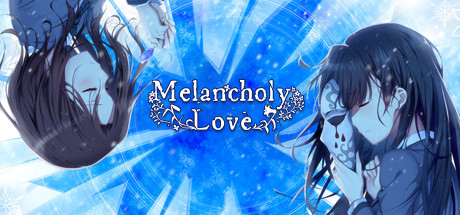
Melancholy Love is a reflective, emotionally grounded visual novel that chooses restraint over spectacle, focusing on the quiet evolution of a relationship shaped by insecurity, expectation, and unspoken feelings. Developed by White Dew Games and published by Kikai Digital, it situates itself within the yuri genre but distinguishes its approach through a slower, more introspective style of storytelling that prioritizes emotional authenticity over dramatic escalation. The narrative revolves around two students whose lives intersect within the structured environment of a private academy. One is composed, admired, and seemingly in control of her future, while the other exists on the margins, carrying personal struggles that influence how she interacts with the world around her. Their initial interactions are marked by distance and misunderstanding, but as circumstances bring them closer, a more nuanced relationship begins to take shape. The story explores how perception—both self-perception and how others are viewed—can create barriers that are difficult to break, especially in a setting where social expectations quietly dictate behavior. What stands out most is the game’s deliberate pacing. Instead of rushing toward emotional climaxes, it allows the relationship to unfold gradually through everyday moments and small shifts in perspective. Conversations linger, silences carry weight, and much of the emotional development happens beneath the surface rather than through overt declarations. This approach gives the characters room to feel believable, but it also requires patience from the player. Those willing to engage with its slower rhythm will find that the emotional payoff is more subtle but ultimately more meaningful. The writing carries a subdued tone that aligns well with the game’s themes. There is a persistent sense of longing and hesitation that runs throughout the dialogue, reinforcing the idea that both characters are struggling to articulate what they truly feel. While the story leans on familiar genre dynamics—contrasting personalities drawn together through circumstance—it handles them with enough care to avoid feeling entirely predictable. The characters grow not through dramatic transformation, but through gradual self-awareness, which gives their development a grounded and relatable quality. From a structural standpoint, the game follows traditional visual novel conventions, with minimal gameplay beyond reading and making occasional choices. These decisions branch the narrative into multiple endings, offering different interpretations of how the relationship can evolve. While the interactivity is limited, the branching paths provide enough variation to encourage revisiting the story, particularly for players interested in exploring every emotional outcome. Visually, the game presents a polished and cohesive aesthetic. Character sprites are expressive, capturing subtle emotional shifts that complement the writing, while the CG illustrations highlight key moments with a level of detail that enhances their impact. The backgrounds are soft and atmospheric, reinforcing the introspective mood without drawing attention away from the characters. Voice acting, delivered in Mandarin, adds another layer of immersion, helping to convey emotional nuance in ways that text alone sometimes cannot. The soundtrack, often understated and piano-driven, supports the tone effectively, creating a consistent emotional atmosphere throughout. That said, the experience is not without its shortcomings. The pacing, while intentional, can feel overly slow for players who prefer more dynamic storytelling, and certain sections may come across as repetitive. Additionally, localization issues occasionally surface, with some lines feeling awkward or slightly unnatural in English. These moments are not frequent enough to derail the experience, but they can interrupt immersion at times. The narrative also stays within the boundaries of famili…
Да: серьёзных проблем нет. Оценка GameHealth - B: большинство хвалит, но недовольных заметно больше, чем у игр с A.
Сейчас в Steam 1 чел..
Нет, Steam не указывает русский язык у этой игры.
Нет, это однопользовательская игра.
Видеокарта: минимум - GeForce GT 625M и 2 ГБ памяти; рекомендуется GeForce GT 625M и 2 ГБ. Сравнить со своим ПК можно в блоке системных требований выше.
 Динамика игры