СТАТУС ИГРЫ
B
Да, стоит играть
Серьёзных проблем нет, минусы описаны ниже
Почему оценка B: большинство хвалит, но недовольных заметно больше, чем у игр с A
Данные SteamОбновлено 2 часа назад
Серьёзных проблем нет, минусы описаны ниже
Почему оценка B: большинство хвалит, но недовольных заметно больше, чем у игр с A
14
279 дней назад
83.3% положительных
Русский + ещё 29 языков
Бесплатно
Сравним с вашим ПК и прикинем FPS
Подробных отзывов на русском мало - добавлены отзывы на других языках.
Качество жизни (QoL) и физика: В отличие от многих конкурентов по жанру, игра выполнена очень аккуратно. Товары ложатся на ленту кассы ровно и не вылетают за её пределы, тележки для коробок работают плавно, а эскалаторы полностью функциональны.
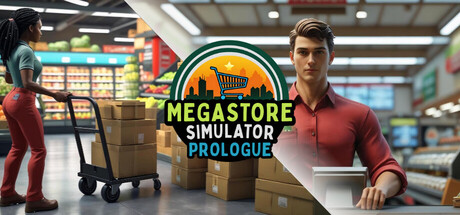
Симулятор управления гипермаркетом (дата выхода: 12.01.2026). Стройте и развивайте магазин: планируйте пространство, закупайте товары, нанимайте персонал, привлекайте покупателей и максимизируйте прибыль. Пролог знакомит с базовыми механиками будущей полной версии. Плюсы: интуитивно понятный интерфейс и обучение — легко начать играть; детализированная 3D‑графика: реалистичные модели товаров и оборудования; гибкая система планировки — можно менять расположение отделов, касс, витрин; реалистичные экономические механики: спрос, конкуренция, сезонные акции; разнообразие товаров и поставщиков с разными условиями закупок; возможность нанимать и обучать персонал (кассиры, грузчики, охранники); динамичная среда: покупатели перемещаются по залу, выбирают товары, стоят в очередях; бесплатная доступность пролога — шанс оценить игру перед покупкой полной версии. Минусы: ограниченный контент — пролог охватывает только начальные этапы развития магазина; упрощённая симуляция экономики по сравнению с полноценными симуляторами; повторяемость задач на поздних этапах пролога (закупки, пополнение полок); некоторые механики (например, маркетинг) представлены схематично; возможны мелкие баги и зависания при большом скоплении виртуальных покупателей; отсутствие долгосрочных целей за пределами базового развития; нет мультиплеера или соревновательных элементов. Итог: подойдёт любителям экономических симуляторов и менеджмента, ценящим реалистичные механики и детализацию. Megastore Simulator: Prologue привлекает наглядным интерфейсом, гибкостью планировки и атмосферой гипермаркета, но может разочаровать ограниченностью контента и упрощёнными системами по сравнению с полной версией. Идеален для знакомства с игрой и оценки её потенциала. Не подойдёт тем, кто ищет глубокий стратегический вызов, соревновательный режим или сразу масштабный игровой мир без ограничений пролога.
Megastore Simulator: Prologue takes the familiar shop-management formula and expands it into something more ambitious than simply stocking groceries and operating a cash register. The central appeal comes from beginning with a very small business and gradually transforming it into a substantial retail operation containing multiple specialized departments. Developed and published by Yolo Games Studio, the game establishes its objectives quickly and gives players considerable freedom over how their store develops. Clothing, toys, bakery goods, sports products, groceries, music items, electronics, and other merchandise contribute to the feeling that the ultimate objective is to create a genuine department store rather than a slightly larger convenience shop. Starting with only $400 makes the opening stages particularly engaging because every purchase matters. Players must choose an initial department, buy merchandise and shelving, organize the available space, and begin serving customers without wasting their limited capital. The simplicity of these early tasks works in the game's favor. There is an immediate connection between performing routine work and seeing the business improve. Money earned from customers can be reinvested into additional stock, equipment, decorations, employees, and physical expansion, creating a progression loop that constantly provides another practical objective to pursue. Stock management is one of the foundations of the experience. Merchandise needs to remain available because an empty shelf represents missed sales, so players must continually watch inventory and react to shortages. Deliveries also require attention rather than magically appearing on displays. Goods have to move from incoming shipments through storage and eventually onto the sales floor. Early handling equipment keeps this process relatively manual, but expanding the business introduces more sophisticated warehouse tools such as pallet jacks, forklifts, and pallet-related automation. This creates a welcome sense of operational growth because the player's logistical capabilities develop alongside the size of the business. One of the better ideas is giving individual departments mechanics beyond simply selling differently textured products. The bakery, for example, involves ordering dough, obtaining an oven, and producing baked goods. This gives certain sections their own workflow and makes expansion more meaningful. Adding another department can therefore introduce new responsibilities rather than merely providing additional shelf space. Specialized furniture and objects, including fitting rooms and bakery equipment, further distinguish these areas and encourage players to think about both functionality and presentation. Physical expansion provides another strong source of motivation. Additional sections can be purchased to increase the available floor area, and eventually the operation can extend onto a second level. Players have substantial freedom when deciding where departments should be positioned, although accessibility must remain a consideration. This makes store design part of the management challenge. A successful layout is not merely attractive; it should also make sense for customers and employees while leaving enough room for future growth. Wall and floor customization, furniture, and department-specific decorations provide enough personalization to make the resulting business feel like the player's own creation. The warehouse and service areas add useful depth behind the customer-facing side of the business. The warehouse includes multiple loading bays and connections serving both floors, while stock-control displays help with monitoring the larger operation. Computers, cleaning supplies, and other practical items can be organized within the service room. These systems are important because they communicate the increased complexity of running a large store. Once the business reaches a certain size, success becomes…
Да: серьёзных проблем нет. Оценка GameHealth - B: большинство хвалит, но недовольных заметно больше, чем у игр с A.
Сейчас в Steam 14 чел., в среднем за 30 дней - 15.
Да: интерфейс, озвучка.
Нет, это однопользовательская игра.
Видеокарта: минимум - NVIDIA GTX 1050ti и 4 ГБ памяти; рекомендуется NVIDIA GTX 1060 3GB и 8 ГБ. Сравнить со своим ПК можно в блоке системных требований выше.
Да, в Steam игра бесплатная.
 Динамика игры