СТАТУС ИГРЫ
S
Да, стоит играть
Серьёзных проблем нет, минусы описаны ниже
Почему оценка S: игроки почти единодушно хвалят
Данные SteamОбновлено 5 часов назад
Серьёзных проблем нет, минусы описаны ниже
Почему оценка S: игроки почти единодушно хвалят
Нет игроков онлайн в Steam - это не определяет готовность одиночного режима · последнее известное значение, ещё не обновлено
1289 дней назад
100% положительных
Русского нет · всего 1 язык
280 руб.
Сравним с вашим ПК и прикинем FPS
Подробных отзывов на русском мало - добавлены отзывы на других языках.
Truly a wonderful gem of a game, had me laughing, tearing up An empathic take on the perspective of someone with dementia, and its impact on loved ones
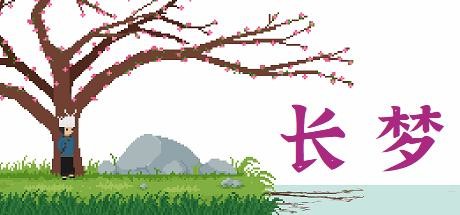
Long Dream, developed by WildMonkey and published by Gamirror Games, is a poignant and beautifully understated narrative adventure that explores memory, loss, and the fragile line between reality and illusion. It tells the story of Zhao Sheng, an elderly postman who has retired from his long service and now struggles with the slow deterioration of his mind. His days are haunted by a lingering promise and a vivid memory of his late wife, Qi Mei, whom he believes is waiting for him beneath a peach tree. What begins as a simple recollection of love gradually evolves into a deeply emotional exploration of identity, regret, and the human need for connection, even as memory itself begins to fade. Through its quiet storytelling and melancholic atmosphere, Long Dream captures the bittersweet essence of aging and the desperate beauty of holding on to a past that is slipping away. The game’s narrative is both intimate and universal. Zhao’s journey is driven by an unshakable desire to keep a promise to the woman he loved—a promise that may or may not have ever been real. His fragmented memories intertwine with the present, blurring the boundaries between dreams and reality. At times, Zhao wanders through places from his youth, reliving moments of tenderness, duty, and loss; at others, the world around him fractures, revealing the confusion of a mind struggling against dementia. The writing is subtle and restrained, allowing the player to piece together Zhao’s history through small details—letters, mementos, and fleeting conversations. This method of storytelling makes every discovery feel personal, as though the player is helping Zhao rediscover himself one fragile memory at a time. The result is a narrative that feels deeply human, one that doesn’t rely on spectacle or dramatic twists but on quiet emotional resonance. Long Dream’s greatest strength lies in its ability to immerse players in Zhao’s mental state through its design and presentation. The pixel art aesthetic, simple at first glance, reveals a meticulous attention to mood and symbolism. The environments shift from realistic to surreal, with familiar locations warping or fading as Zhao’s grip on reality weakens. An old postal route might transform into a dreamlike corridor of letters and trees, while a warm family home might feel suddenly alien in its emptiness. The game uses color and light in a powerful way—soft pastels during moments of peace, muted tones during melancholy, and distorted hues when confusion sets in. The peach tree, a recurring image, stands out as a symbol of love and remembrance, its blossoms a reminder of both beauty and impermanence. Every visual element is imbued with quiet meaning, reinforcing the emotional texture of Zhao’s journey. Sound design plays an equally vital role in shaping the game’s atmosphere. The ambient background music leans toward gentle piano melodies, faint strings, and distant environmental sounds that evoke nostalgia and stillness. There are long stretches of silence where the only sounds are Zhao’s footsteps and the rustle of the wind, and these moments of quiet speak louder than any dialogue. The minimalist audio approach mirrors the loneliness of old age and the disorientation of memory loss. The sparse use of music and the absence of overdramatized cues make every emotional beat feel earned rather than manufactured. This delicate balance between sound and silence enhances the game’s meditative tone, allowing players to reflect on what they see and feel rather than being told how to react. The gameplay itself is simple, designed to serve the narrative rather than overshadow it. Players guide Zhao through different environments, interact with objects that trigger memories, and engage in brief conversations or reflections that reveal parts of his past. There are no difficult puzzles or mechanical challenges; instead, progression is tied to exploration and introspection. Each interaction adds a layer to Zhao’s story—an unope…
两小时不到的流程,主题关乎:审视死亡,所以非常能连接观众 节拍打得凑合,场景内部有动人细节和有趣知识,但每一幕之间的戏剧冲突没有加深,故事结构不够戏剧化 且人物之间的矛盾,并没有很好地服务于主控思想(比如妈妈和儿子的冲突,妈妈对外公的不耐烦) 这不是个成熟的商业剧本,但胜在真实感 主控思想是:记忆是一种生命形式,更确切地说,记忆是一种生命载体 初中时腿伤了,医生说20岁才会好,当时觉得太遥远了,今年也觉得20遥远,因为已经28岁了。可能临终也很远,但其实白头不过是眨眼间。 雪泥鸿爪,往事不能追 这片土地曾让我泪流不止,可几场风雨后就要抹去了痕迹 即便记忆是一种生命载体,让人感伤让人幸福,但逃不过的是:所有人都终将倒在时间的剑下
Да: серьёзных проблем нет. Оценка GameHealth - S: игроки почти единодушно хвалят.
Нет, Steam не указывает русский язык у этой игры.
Нет, это однопользовательская игра.
Видеокарта: минимум - Intel HD 4000 и 2 ГБ памяти. Сравнить со своим ПК можно в блоке системных требований выше.
280 руб. в Steam.
 Динамика игры