СТАТУС ИГРЫ
B
Да, стоит играть
Серьёзных проблем нет, минусы описаны ниже
Почему оценка B: большинство хвалит, но недовольных заметно больше, чем у игр с A
Данные SteamОбновлено 50 минут назад
Серьёзных проблем нет, минусы описаны ниже
Почему оценка B: большинство хвалит, но недовольных заметно больше, чем у игр с A
Нет игроков онлайн в Steam - это не определяет готовность одиночного режима
431 день назад
Нет отзывов за последние 30 дн.
Русского нет · всего 9 языков
Бесплатно
Сравним с вашим ПК и прикинем FPS
Подробных отзывов на русском мало - добавлены отзывы на других языках.
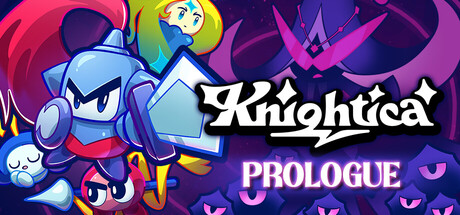
Knightica: Prologue — бесплатный пролог к тактической автобаттл‑стратегии с элементами roguelike: вы собираете отряд из разношёрстных бойцов, расставляете их на сетке, продумываете синергии и сражаетесь с волнами врагов. Между боями работает магазин — в нём можно докупать юнитов, усиливать их и менять состав армии, а прогресс между забегами позволяет открывать новые типы бойцов и зачарования. В прологе представлены основные механики, несколько фракций и пара боссов — прохождение занимает 40–60 минут. Плюсы: удачная смесь автобаттла и тактического размещения — расстановка на сетке и выбор угла поворота юнита напрямую влияют на исход боя, а поиск удачных синергий и комбинаций зачарований даёт ощущение настоящей стратегии, а не простого подбора по силе; яркая, «сочная» визуальная подача и приятный темп — пиксель‑арт в тёплых тонах, чёткие анимации и лаконичные эффекты делают каждый раунд наглядным, а короткие бои без затяжных пауз держат динамику на комфортном уровне. Минусы: ограниченный пул контента — небольшое число фракций, типов зачарований и карт быстро приводит к повторению комбинаций, из‑за чего вариативность ощущается скромной даже для пролога; не всегда понятная подача характеристик — некоторые параметры юнитов и эффекты зачарований раскрываются только в бою, а всплывающие подсказки местами слишком лаконичны, что усложняет планирование сборки для новичков. Итог: компактный и стильный пролог, который хорошо передаёт ядро полной игры — тактическое размещение, поиск синергий и управление ресурсами в магазине. Подойдёт любителям автобаттлов и grid‑стратегий, которым хочется быстро оценить механику и визуальный стиль; тем, кто ждёт глубокой вариативности и долгой прогрессии, лучше дождаться полной версии.
Игра 'Knightica: Prologue' предлагает интересный, хотя и короткий, опыт в жанре rogue-lite с пиксельной графикой. Несмотря на то, что это всего лишь пролог, он демонстрирует основные механики и потенциал полной игры. Боевая система неплоха, требует точного тайминга и понимания движений противников. Разнообразие врагов, хотя и небольшое, заставляет адаптироваться к различным тактикам. Система улучшений, представленная в прологе, кажется довольно многообещающей. Различные бонусы и артефакты позволяют создавать уникальные билды для каждого прохождения, что существенно влияет на стратегию игры. Однако, из-за небольшого объема контента, не все возможности успеваешь опробовать в полной мере. Визуальный стиль, хоть и пиксельный, выполнен качественно и создает приятную атмосферу. Музыкальное сопровождение неплохо дополняет геймплей. Единственный минус - это короткая продолжительность. Пролог не дает полноценно насладиться игровым процессом и изучить все его нюансы. Тем не менее, 'Knightica: Prologue' оставляет положительное впечатление и вызывает желание увидеть полную версию игры. Рекомендую тем, кто любит rogue-lite игры и пиксельную графику.
Knightica: Prologue by Mad Mango Games is a compact but thoughtfully constructed introduction to a roguelike auto-battler that leans heavily on planning, synergy, and spatial awareness rather than direct player control. Even in this early slice, the game establishes a clear identity built around preparation and experimentation, inviting players to assemble small tactical squads and then watch their decisions play out in automated combat. It is the kind of design that initially feels straightforward but gradually reveals more nuance as you begin to understand how different systems interact. The core loop revolves around alternating phases of decision-making and execution. Before each encounter, you are given access to a shop where you can recruit units, purchase upgrades, and refine your overall strategy using limited resources. Once your lineup is assembled, you position your units on a grid-based battlefield, carefully considering placement, spacing, and directional orientation. When combat begins, your role becomes entirely observational, as the units act according to their abilities and the outcome is determined by how well you prepared. This structure shifts the focus away from reflexes and toward foresight, rewarding players who can anticipate enemy behavior and build cohesive compositions. What makes the system engaging is the interplay between units and their abilities. Each character brings a distinct function to the battlefield, whether it is absorbing damage, dealing area attacks, or providing support effects. The real depth emerges when these roles begin to overlap and reinforce one another, creating combinations that feel stronger than the sum of their parts. Discovering these synergies becomes the central appeal of the game, encouraging experimentation across multiple runs. The addition of modifiers and enhancements further expands this design space, allowing players to tailor their builds in ways that can drastically alter performance. There is a satisfying sense of discovery in finding a combination that works particularly well, especially when it carries you through increasingly difficult encounters. Despite this strength, the prologue format inevitably limits how far these systems can develop. While individual runs offer a clear sense of progression—starting with basic units and gradually assembling a more refined team—the overall pool of content is relatively small. After several playthroughs, patterns begin to emerge, and the variety of strategies feels more constrained than it initially appears. This does not diminish the quality of the core mechanics, but it does highlight that this is only a preview of a larger intended experience rather than a fully realized game. Another aspect that stands out is the game’s minimal approach to storytelling. The setting suggests a fantasy world filled with conflict and conquest, but these elements remain largely in the background. There is little narrative development or character depth, with the focus instead placed squarely on mechanics and replayability. For players who are primarily interested in strategic systems, this may not be an issue, but those looking for a stronger narrative hook may find the experience somewhat abstract. The lack of story progression means that motivation to continue playing is driven almost entirely by the desire to experiment and improve. Visually, Knightica: Prologue adopts a clean and colorful style that prioritizes clarity. Units are easily distinguishable, and the battlefield is presented in a way that makes positioning decisions intuitive. Animations are simple but effective, ensuring that combat remains readable even when multiple effects are occurring simultaneously. The interface is straightforward and responsive, supporting the game’s strategic focus without unnecessary complexity. While it may not be visually striking in a cinematic sense, it succeeds in delivering a polished and functional presentation that aligns well w…
Да: серьёзных проблем нет. Оценка GameHealth - B: большинство хвалит, но недовольных заметно больше, чем у игр с A.
Нет, Steam не указывает русский язык у этой игры.
Нет, это однопользовательская игра.
Видеокарта: минимум - TBD; рекомендуется TBD. Сравнить со своим ПК можно в блоке системных требований выше.
Да, в Steam игра бесплатная.
 Динамика игры