СТАТУС ИГРЫ
B
Да, стоит играть
Серьёзных проблем нет, минусы описаны ниже
Почему оценка B: большинство хвалит, но недовольных заметно больше, чем у игр с A
Данные SteamОбновлено 7 часов назад
Серьёзных проблем нет, минусы описаны ниже
Почему оценка B: большинство хвалит, но недовольных заметно больше, чем у игр с A
Нет игроков онлайн в Steam - это не определяет готовность одиночного режима · последнее известное значение, ещё не обновлено
1869 дней назад
Нет отзывов за последние 30 дн.
Русский + ещё 10 языков
75 руб.
Сравним с вашим ПК и прикинем FPS
Подробных отзывов на русском мало - добавлены отзывы на других языках.
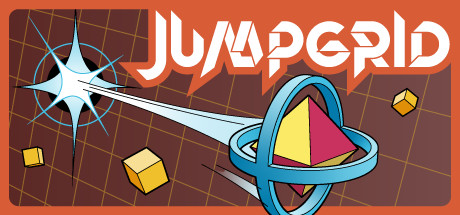
It's okay. Ultimately, it's a twitch action game. Collect all the stars (diamonds?) and come back to the goal. The bad news: there are a ton of moving obstacles. The good news: you jump between grid points, so you can avoid those obstacles even if they are between your starting and ending points. Each level is blazing fast, because you're only playing on a 3x3 grid anyway. Finishing a level in 1 or 2 seconds isn't unheard of. Now, the obstacles are also unfair; they are completely deterministic, but sometimes their movements are unintuitive. You'll die a lot. But you'll learn from them, and restarting is frictionless, the game just cuts right to your next attempt. Together with a techno soundtrack, you're always pumped up the whole time. Now, granted, I went into the game because I thought it was more a puzzly, meditative nature, of trying to figure out how to dodge the obstacles. While you do have to figure that part out, you want to execute them very quickly, and typically this means just memorizing your entire approach for each level and then timing all your button presses accordingly. The game has 100 levels (divided into 4 quadrants of 25, also there's a final boss for each quadrant), but they will fall down quickly, nothing poses too much of a puzzly nature. The game instead encourages you to do the run quickly and flawlessly; there's an achievement for doing so in each quadrant. It's not quite what I was looking for. But I think, if you want this kind of game, if you like pushing yourself to speedrun this thing, you'll like it.
JUMPGRID, developed by Ian MacLarty and published by Shape Shop, is a minimalist arcade game that strips gameplay down to a single, tightly focused idea and then pushes that idea to its absolute limits. At a glance, it appears almost deceptively simple—a small grid, a glowing player node, and a handful of moving hazards—but within seconds it becomes clear that the experience is built around precision, rhythm, and intense concentration. It is not a game concerned with spectacle or narrative; instead, it thrives on clarity, immediacy, and the constant pursuit of mastery. The core mechanic revolves around teleportation between fixed points on a small grid. Rather than moving freely, players jump from node to node, collecting targets while avoiding hazards that move in predetermined patterns. This restriction fundamentally shapes the way the game is played. Every action must be deliberate, as there is no room for gradual adjustment or recovery once a move is made. Success depends on reading patterns, anticipating movement, and committing to decisions with exact timing. What begins as a simple concept quickly evolves into a demanding exercise in spatial awareness and precision. Level design is the heart of the experience, with each stage introducing a unique arrangement of hazards that follow specific, repeating paths. Early levels serve as a gentle introduction, allowing players to understand the rhythm of movement and the logic behind obstacle patterns. As the game progresses, however, the complexity increases significantly. Hazards begin to overlap, timing windows become narrower, and the margin for error shrinks to almost nothing. The challenge is not random but carefully constructed, requiring players to learn and internalize each level’s structure. Over time, this process transforms gameplay into something almost instinctive, where success comes from a combination of memory and reflex. One of the most effective aspects of JUMPGRID is how it handles failure. Mistakes are frequent and often immediate, but the game’s instant restart system ensures that frustration is kept to a minimum. There are no long delays or penalties—just a quick reset and another attempt. This creates a rapid feedback loop that encourages experimentation and persistence. Players are constantly refining their approach, making small adjustments until everything clicks. The repetition, rather than feeling tedious, becomes engaging, as each attempt brings a clearer understanding of the level. The game’s pacing is relentless, driven by its fast movement and tight timing requirements. There is a strong sense of rhythm to the gameplay, with hazards moving in patterns that can almost feel musical once understood. This rhythm, combined with the need for precise input, creates a flow state where players become fully immersed in the experience. At its best, JUMPGRID feels less like reacting to a game and more like performing a carefully timed sequence of actions, where every movement is part of a larger pattern. Visually, the game adopts a clean and minimalist style that prioritizes readability over detail. Bright colors and simple shapes ensure that every element is easy to distinguish, which is essential given the speed and precision required. The lack of visual clutter allows players to focus entirely on the gameplay, reinforcing the game’s emphasis on clarity. The audio design complements this approach, featuring an electronic soundtrack that enhances the sense of rhythm and intensity. Together, the visuals and sound create an atmosphere that is both focused and immersive. In terms of content, JUMPGRID offers a substantial number of levels, along with additional modes that extend its replayability. These modes build on the same core mechanics but introduce different goals, such as achieving high scores or completing challenges under time constraints. This gives players reasons to return even after completing the main progression, particularly those who…
Very easy to understand, difficult to master. A good game for playing a couple of minutes at a time. The completion of a level requires multiple trials where you learn the required progressions, but at least in the first half of the game most levels can be done within... 10 secs one you've mastered the progressions? What the game needs is a profile feature or the ability to select maps. You cannot show the first levels to anyone without resetting your progress.
Да: серьёзных проблем нет. Оценка GameHealth - B: большинство хвалит, но недовольных заметно больше, чем у игр с A.
Да: интерфейс. Русской озвучки нет.
Нет, это однопользовательская игра.
Видеокарта: минимум - Direct3d 11 и 4 ГБ памяти. Сравнить со своим ПК можно в блоке системных требований выше.
75 руб. в Steam.
 Динамика игры