СТАТУС ИГРЫ
A
Да, стоит играть
Серьёзных проблем нет, минусы описаны ниже
Почему оценка A: отзывы хорошие, но до S не хватает почти единодушной похвалы
Данные SteamОбновлено 10 минут назад
Серьёзных проблем нет, минусы описаны ниже
Почему оценка A: отзывы хорошие, но до S не хватает почти единодушной похвалы
Нет игроков онлайн в Steam - это не определяет готовность одиночного режима
179 дней назад
100% положительных
Русского нет · всего 4 языка
Бесплатно
Сравним с вашим ПК и прикинем FPS
Подробных отзывов на русском мало - добавлены отзывы на других языках.
Green Light — атмосферная инди‑игра с минималистичной эстетикой, где свет и тень становятся главными инструментами взаимодействия с миром. Игрок решает головоломки, управляя источниками освещения: правильно направленный луч открывает проходы, активирует механизмы и раскрывает скрытые детали окружения. Плюсы: изящная механика света — головоломки построены на простых, но изобретательных идеях, где каждый уровень предлагает свежий взгляд на одну и ту же механику; спокойная, медитативная атмосфера — лаконичный визуальный стиль и ненавязчивый саундтрек создают расслабляющее настроение. Минусы: небольшая продолжительность — игра проходится за 2–3 часа, и контента едва хватает на полноценное погружение; местами неочевидные задачи — некоторые головоломки кажутся запутанными без явных подсказок, что может вызывать фрустрацию. Итог: лаконичная и стильная головоломка для любителей спокойного геймплея — подойдёт тем, кто ценит элегантные механики и минимализм, но не ждёт масштабного и долгого приключения.
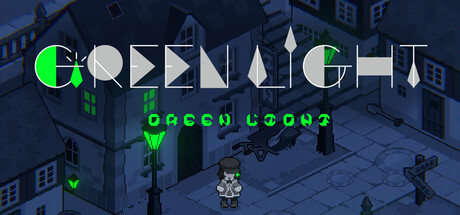
Green Light is a quiet and atmospheric indie adventure that focuses on mystery, exploration, and storytelling rather than traditional gameplay challenges. Developed by やなぎなぎ, hako 生活, and room6, with publishing handled by room6 and yokaze, the game presents a small but intriguing world built around a strange phenomenon that affects an isolated mining town. Instead of relying on action or complicated mechanics, it creates its appeal through curiosity, character interactions, and the desire to uncover the truth behind an unusual dream shared by the entire community. The story takes place in a once-prosperous mining village that has fallen into decline after losing the valuable gemstones that made it famous. Despite its quiet and ordinary appearance, the town has gained attention because every resident experiences the same dream whenever they sleep. What begins as a mysterious event becomes a reason for outsiders to visit, hoping to experience the strange phenomenon themselves. This unusual concept gives the game a strong sense of intrigue and immediately establishes an atmosphere where everyday life and the unknown exist side by side. Players take the role of Midori, a hotel receptionist who becomes involved with the visitors arriving in search of answers. Through her perspective, the game explores the stories of different characters who come to the town and the reasons behind their fascination with the shared dream. The narrative encourages players to observe conversations, learn about the people living there, and slowly uncover the connections between the town’s forgotten past and its mysterious present. The storytelling approach is gentle and patient, rewarding players who enjoy discovering details rather than rushing toward immediate conclusions. The visual presentation is one of the most memorable parts of the experience. The pixel-art style gives the world a nostalgic charm while allowing the quiet atmosphere of the town to stand out. The environments feel carefully crafted, with small details that help communicate the history and personality of the location. The contrast between the peaceful daytime setting and the dreamlike mystery surrounding the nighttime events creates a unique mood that supports the overall theme. Gameplay is centered around exploration, conversations, and narrative discovery. The experience does not focus on combat, complex puzzles, or demanding challenges. Instead, it invites players to interact with the world, examine the surroundings, and follow the unfolding story. This simple structure fits the game’s relaxing tone, though players looking for deep gameplay systems or highly interactive mechanics may find it more limited. Its strength comes from maintaining a clear identity and delivering a focused adventure without unnecessary distractions. The writing and character development are important elements of the experience. The shared dream concept provides a strong foundation for exploring themes of curiosity, memories, connections, and the hidden emotions of the people who visit the town. Rather than presenting the mystery as something purely frightening, the game approaches it with a more reflective and emotional perspective. The result is an adventure that feels personal, with the mystery serving as a way to understand the characters and their experiences. The audio design and overall atmosphere further enhance the sense of immersion. The calm pacing allows the music and environmental details to create a relaxing yet mysterious feeling. The game benefits from giving players time to absorb its world, making exploration feel meaningful rather than simply a way to move between story events. It is the type of experience best enjoyed by players who appreciate slow-paced adventures with a strong emotional tone. The game is also a good match for Steam Deck play. Its lightweight design, straightforward controls, and relaxed gameplay style make it suitable for handheld sessions. The ability to…
2026 Green Light is a small adventure game that feels more like a strange little dream than a normal game. I play as Midori, a young girl living in a forgotten mining town where everyone shares the same dream every night. The town is quiet during the day, but things become much more interesting after dark when I start learning about the dreams and the people who visit the local hotel. I really like the basic idea because there is a mystery behind something that initially seems completely normal. The part I enjoyed most is exploring the town and talking to the people around it. I have to pay attention to what different characters tell me because their conversations help me collect words that Midori can use inside the dreams. There is a nice little routine to it where I explore during the day, learn more about the people and then go to sleep to see how everything connects. The town itself is not huge, but that actually works well because I never feel like I am wasting time travelling between places. The dream sections are easily the most unusual part of the game. There are four main dreams along with a prologue and epilogue, and they move through different ideas including fantasy, romance and science fiction. I like how different these dreams feel from the normal town sections, and the story gradually gives me more information about why everyone is experiencing the same strange dream. The green earrings are also tied directly into the mystery because they allow Midori to learn new words and use them to recreate missing objects inside the dreams. The actual puzzles are probably where I think the game could have done more. When I reach a missing part of a dream, I have to arrange the words I have collected to recreate an object. It is a nice idea and fits the story, but the puzzles are very easy and rarely make me stop and think for long. I would have liked some harder combinations or situations where I had to properly work out which words belonged together. The game is clearly more interested in its atmosphere and story than challenging me, so I can accept that, but it does limit how much interaction there is. The presentation is what makes the experience work for me. The pixel art has a soft and slightly mysterious look, and the contrast between the quiet mining town and the strange dreams gives the game a good identity. The music is also important because this project is connected to singer songwriter Yanagi Nagi's Green Light album, so the soundtrack feels like a major part of the experience rather than something added at the last minute. I think the music and visuals work together especially well during the dream sequences. The biggest issue for me is the length and simplicity. There are only a handful of dreams, and once I understand how the word system works, there is not much mechanical depth left. Some of the story text can also be harder to read than it should be because the contrast is not always great, which can take me out of the atmosphere. I also think the characters could have been developed more because I wanted to know more about some of the people in the town. The ideas are interesting, but the game sometimes feels like it ends just as I am getting fully invested in the world. Overall, 2026 Green Light is a charming and unusual adventure that I think is worth experiencing for its atmosphere and story rather than its gameplay depth. I like the shared dream mystery, Midori, the quiet mining town, the strange dream worlds and the connection between collecting words and solving the dreams. The puzzles are too simple and the overall experience is quite short, but the presentation and music give it a personality that makes the limitations easier for me to accept. Since the game is free, I think it is especially easy for me to recommend when I want a short story driven adventure that feels different from the usual point and click game. Rating: 7/10
Да: серьёзных проблем нет. Оценка GameHealth - A: отзывы хорошие, но до S не хватает почти единодушной похвалы.
Нет, Steam не указывает русский язык у этой игры.
Нет, это однопользовательская игра.
Видеокарта: минимум - Intel HD Graphics 4000 и 4 ГБ памяти. Сравнить со своим ПК можно в блоке системных требований выше.
Да, Steam Deck Verified - проверено Valve.
Да, в Steam игра бесплатная.
 Динамика игры