СТАТУС ИГРЫ
C
Да, стоит играть
Серьёзных проблем нет, минусы описаны ниже
Почему оценка C: мнения разделились: недовольных почти столько же, сколько довольных
Данные SteamОбновлено 3 часа назад
Серьёзных проблем нет, минусы описаны ниже
Почему оценка C: мнения разделились: недовольных почти столько же, сколько довольных
Нет игроков онлайн в Steam - это не определяет готовность одиночного режима · последнее известное значение, ещё не обновлено
1753 дня назад
100% положительных
Русского нет · всего 1 язык
Бесплатно
Сравним с вашим ПК и прикинем FPS
Подробных отзывов на русском мало - добавлены отзывы на других языках.
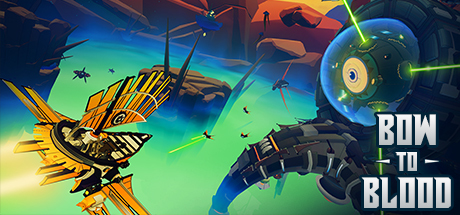
Тактический рогалик в научно‑фантастическом сеттинге: игрок выступает капитаном корабля в смертельном телешоу — сражается, заключает союзы, распределяет ресурсы и стремится стать последним выжившим среди соперников. Плюсы: стратегическое управление кораблём — нужно в реальном времени распределять энергию между системами (щиты, двигатели, оружие), что создаёт напряжённые тактические ситуации; дипломатия и альянсы — взаимодействие с другими капитанами (союзы, предательства) влияет на репутацию и ход игры; реиграбельность — процедурная генерация миссий, событий и улучшений позволяет каждый раз получать новый опыт даже после поражений. Минусы: крутая кривая обучения — обилие механик и параметров может запутать новичков, а обучение недостаточно подробное; медленное управление — манёвры корабля и реакция на угрозы иногда кажутся затянутыми, что раздражает в динамичных боях; повторяемость контента — после нескольких десятков часов прохождения сценарии и задачи начинают ощущаться однообразно. Итог: заинтересует фанатов тактических рогаликов и сложных стратегических вызовов — впечатляет глубиной управления кораблём, социальным взаимодействием и вариативностью прохождения, но может отпугнуть высокой сложностью старта, неторопливостью боёв и постепенным снижением новизны контента.
Bow to Blood: Last Captain Standing is a really interesting airship game that I enjoyed because it mixes combat with strategy and a surprisingly strong emphasis on making decisions. I take control of a massive flying ship and have to compete against rival captains while trying to survive a dangerous journey. I liked that it feels less like a straightforward shooter and more like I am actually responsible for running a vessel in the middle of a chaotic competition. The airship combat is easily my favorite part. I can move around the battlefield, manage different weapons and direct my crew while trying to keep the ship alive. There is a lot happening at once, so I have to pay attention to incoming attacks while deciding which enemy to focus on. I enjoyed the feeling of being able to look around the ship and physically interact with different stations instead of controlling everything through menus. The crew system adds another layer that I found surprisingly engaging. I have to work with my crew members and keep them functioning properly during battle, which means damage to the ship can cause more problems than simply losing health. I liked having to think about repairs, defenses and combat at the same time because it makes every encounter feel more active. The campaign also has a nice variety of events and encounters. I can explore the world, meet different characters and make decisions that influence how the journey develops. I liked that there is more to do than simply fight, because the quieter sections give me time to prepare and think about how I want to approach what comes next. The VR presentation also makes exploring the airship feel much more immersive. My biggest issue is that some of the systems can feel complicated without always being explained as clearly as they could be. Managing the ship, crew and different objectives takes some time to get used to, and there are moments where the interface feels more awkward than it should. I also think the overall progression could be deeper, because once I understand the main loop, some encounters start feeling quite familiar. Still, I really appreciate how distinctive the game feels. The combination of airship combat, exploration and crew management gives it a personality that I do not see very often. There is also something satisfying about physically standing on the ship and watching everything happen around me, especially when a battle starts to go wrong and I have to scramble to keep things under control. Overall, Bow to Blood: Last Captain Standing is a creative and surprisingly immersive airship adventure. I liked the combination of combat, crew management and decision making, and the VR presentation adds a lot to the experience. It has some rough edges and could offer deeper progression, but the core idea is strong enough that I had a great time commanding my own flying ship. Rating: 7.3/10
Bow to Blood: Last Captain Standing takes an unusual approach to action and strategy by putting the player in charge of a combat airship while participating in a competitive futuristic reality show. Developed and published by Tribetoy, it mixes first-person piloting, tactical combat, crew management, resource allocation, randomized encounters, and social relationships into one cohesive experience. Instead of treating every rival as another enemy to destroy, the game encourages players to consider alliances, reputation, and betrayal alongside their ability to survive dangerous battles. The core experience revolves around commanding an armed airship directly from its bridge. Players control movement and weapons themselves rather than watching the action through a distant strategic interface. This gives combat an immediate quality, particularly when several threats demand attention simultaneously. Positioning matters, but success also depends on understanding the capabilities of the vessel and deciding how its limited resources should be used. Battles therefore involve more than simply keeping a target in the crosshairs and continuously firing. Crew management provides much of the tactical depth. Members of the crew can be moved between different stations, allowing the captain to strengthen whichever systems are most important at a particular moment. Weapons, shields, engines, drones, and sensors can benefit from these assignments. A configuration that works during an offensive push might become unsuitable seconds later when the ship comes under heavy attack. Constantly evaluating the situation and reorganizing the crew creates an enjoyable layer of controlled chaos. Power distribution works alongside crew assignments and makes these decisions even more significant. Additional energy can be directed toward systems that urgently need it, letting players emphasize firepower, protection, mobility, or other capabilities. This creates satisfying moments where surviving an encounter depends on reacting correctly rather than possessing overwhelming strength. Boarding threats further complicate matters, since enemies can reach the ship and interfere with its operation. The captain can personally deal with intruders using a sidearm, adding smaller-scale first-person action to the larger airship battles. The competitive structure is where the game becomes particularly distinctive. Other captains have personalities and goals, and interactions with them can influence future events. Helping another contestant may create a useful ally, while betrayal or selfish behavior can damage a relationship. These choices matter because competitors can eventually vote on who should remain in the contest. It is therefore possible to think strategically about relationships instead of focusing entirely on combat performance. This system produces an interesting conflict between cooperation and ambition. An alliance might make a difficult situation considerably easier, but every friendly captain remains a potential competitor. Helping someone can strengthen a person who may later stand between the player and victory. Conversely, constantly exploiting everyone can leave the captain isolated when support becomes valuable. The social mechanics are relatively accessible rather than being an enormously complex diplomacy simulation, but they add meaningful consequences to decisions that would otherwise be simple mission choices. Randomization helps support repeated playthroughs. Encounters, challenges, environments, and the assortment of rival captains can change, preventing every competition from unfolding exactly the same way. Because different personalities respond differently to the player's decisions, a strategy that produces a strong alliance in one run may not necessarily create the same outcome in another. A more demanding difficulty option also provides additional challenge for players who become comfortable with the basic systems. Progression is…
Да: серьёзных проблем нет. Оценка GameHealth - C: мнения разделились: недовольных почти столько же, сколько довольных.
Нет, Steam не указывает русский язык у этой игры.
Нет, это однопользовательская игра.
Видеокарта: минимум - Nvidia GeForce GTX 660 (Optional VR - GeForce GTX 970) и 4 ГБ памяти; рекомендуется Nvidia GeForce GTX 750ti (Optional VR - GeForce GTX 970) и 8 ГБ. Сравнить со своим ПК можно в блоке системных требований выше.
Да, Steam Deck Playable - запускается, но что-то может потребовать настройки.
 Динамика игры