СТАТУС ИГРЫ
B
Да, стоит играть
Серьёзных проблем нет, минусы описаны ниже
Почему оценка B: большинство хвалит, но недовольных заметно больше, чем у игр с A
Данные SteamОбновлено 3 часа назад
Серьёзных проблем нет, минусы описаны ниже
Почему оценка B: большинство хвалит, но недовольных заметно больше, чем у игр с A
2
2413 дней назад
Нет отзывов за последние 30 дн.
Русского нет · всего 1 язык
42 руб.
Сравним с вашим ПК и прикинем FPS
Подробных отзывов на русском мало - добавлены отзывы на других языках.
Abduction Bit is a fun and creepy little game with a mysterious atmosphere. Simple but entertaining, especially if you enjoy short indie horror experiences.
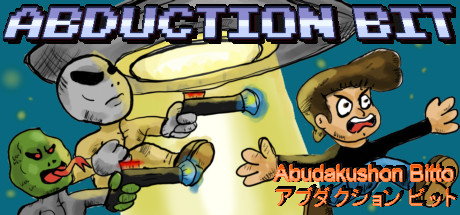
Abduction Bit is a compact yet thoughtfully crafted arcade-style platformer that fully embraces retro design philosophy, delivering an experience that feels deliberately pulled from an earlier era of gaming. Developed and published by SEEP, the game presents itself as a lost arcade title from the early 1980s, complete with a tongue-in-cheek backstory and mechanics that prioritize precision, repetition, and mastery over modern convenience. Rather than attempting to modernize its inspirations, Abduction Bit leans into their limitations, creating a focused experience that feels authentic to its roots. The premise is intentionally simple and playful. Players control an alien tasked with abducting humans across a series of self-contained stages filled with hazards and hostile enemies. The goal in each level is clear: immobilize every human using a paralysis weapon, then safely abduct them while avoiding contact with enemies and environmental traps. This structure creates a constant risk–reward loop, as players must decide when it is safe to move in for an abduction and when patience is required. The concept is absurd in the best way, and the game’s light humor helps keep frustration in check even when repeated failures occur. Mechanically, Abduction Bit is easy to understand but surprisingly demanding to master. Movement and shooting are straightforward, yet the tight level layouts and aggressive enemy patterns quickly expose mistakes. Humans do not pose a threat on their own, but enemy units patrol platforms, fire projectiles, or explode on contact, forcing players to carefully plan routes and timing. The game relies heavily on pattern recognition, encouraging players to learn enemy behavior through repetition. This trial-and-error design is faithful to classic arcade sensibilities, where progress is earned through persistence rather than mechanical complexity. Level design plays a crucial role in maintaining engagement. The game is divided into multiple level packs, each offering a set of stages that gradually increase in difficulty. Early levels serve as introductions to core mechanics, while later stages layer hazards and enemy types in ways that demand near-perfect execution. While the objectives remain consistent throughout, the evolving stage layouts prevent the experience from feeling entirely static. This modular structure also makes the game well-suited for short play sessions, allowing players to tackle individual packs without committing to extended runs. Visually, Abduction Bit stays true to its retro inspiration with an 8-bit pixel art style that emphasizes clarity and readability. Characters and hazards are instantly recognizable, which is essential given the speed and precision required. Optional visual enhancements offer slightly richer presentation for those who prefer a more polished look, but the core aesthetic remains intentionally minimal. Sound design follows a similar approach, using simple effects and looping music that reinforce the arcade atmosphere without overwhelming the gameplay. One of the game’s standout features is its local cooperative mode. Two players can work together on the same stages, coordinating movement and timing to clear levels more efficiently. This addition significantly changes the dynamic of play, transforming what can be a punishing solo experience into a more forgiving and social one. Cooperative play adds a layer of spontaneity, as players can support each other or recover from mistakes that would otherwise end a run. It also reinforces the game’s identity as a couch-friendly arcade throwback. Despite its strengths, Abduction Bit is not without limitations. The core gameplay loop remains largely unchanged from start to finish, and players looking for evolving mechanics or narrative progression may find the experience repetitive over long sessions. Controls are intentionally rigid, which suits the retro design but may feel unforgiving to players accustomed to modern platf…
Cute little game, one of the first commercial releases from this long-running developer (though they were active even earlier). The main challenge lies in the player's weapon. The stun gun has over a second of wind-up between pressing the button and effectively firing the shot, leaving the player completely exposed in the meantime. Therefore, while everything takes place within a single screen, levels must be approached slowly and methodically, finding the right timing to strike and abduct each human. The difficulty ramps up quickly, and even the easy level pack is no walk in the park. While it doesn't ruin the game, the iffy collision detection makes it harder than it should be. I've died more frequently from the character not quite landing on the edge of a platform than from being struck by a human. A few elements are out of place in a supposed game from the early 1980s, but it's still more consistent visually than other retro-styled productions. Is that the car from City Connection (1985) I see in a few levels as a hazard? They must really like that game, since the same car appears in SEEP Universe.
Да: серьёзных проблем нет. Оценка GameHealth - B: большинство хвалит, но недовольных заметно больше, чем у игр с A.
Сейчас в Steam 2 чел..
Нет, Steam не указывает русский язык у этой игры.
Да, есть кооператив на одном экране.
Видеокарта: минимум - 256MB. Сравнить со своим ПК можно в блоке системных требований выше.
42 руб. в Steam.
 Динамика игры